Retrospective: Na Hong-jin
Na Hong-jin is one of the most uncompromising and distinctive auteurs of New Korean Cinema, a visionary and a provocateur. His filmography comprises a mere four titles, which have earned him the status of a master at plumbing the dark side of human nature. This retrospective promises to deliver some intense screenings!
A complete retrospective of one of the most important filmmakers of the New Korean Cinema.
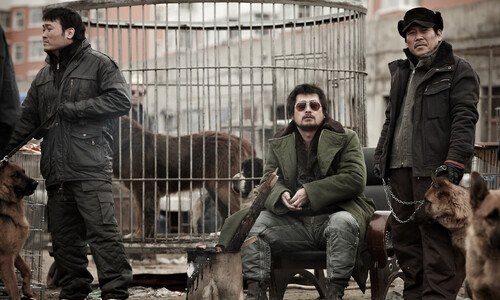
Na Hong-jin made his debut in 2008 with the taut thriller The Chaser, about a disgraced ex-policeman’s confrontation with a serial killer of women. The first-time director surprised audiences with his outstanding feel for the rules of the genre and his skill at staging kinetic chases through the night-time streets of Seoul. The film was steeped in an overwhelming pessimism which – as quickly became clear – was no accident.
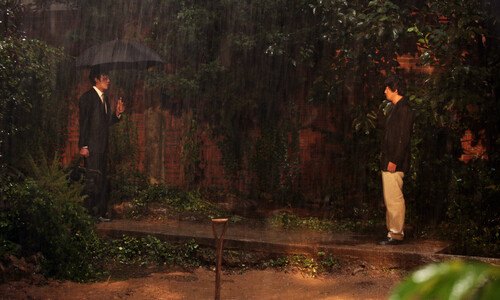
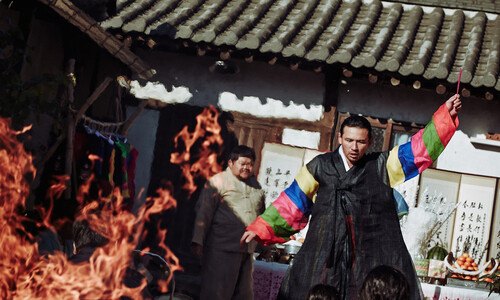
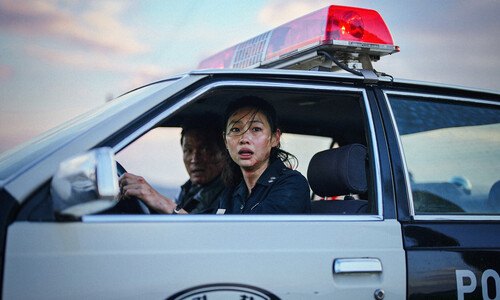
Two years later, Na presented his next film, The Yellow Sea, at Cannes, and in 2016 achieved his greatest success to date with The Wailing, a horror film that draws viewers into a spiral of fear leading to the very bottom of a nightmare. His latest production, Hope, is in turn the most expensive and most ambitious film in the history of Korean cinema. Shot in remote areas of a national park in Romania, it features an international cast and costly CGI. The worldwide success of Hope will determine not only Na’s career, but also whether Korean producers remain willing to invest in large, daring projects.
Na is a worthy representative of New Korean Cinema, a movement that looked at film genres with fresh eyes and, with joyful enthusiasm, discovered their new narrative possibilities. On the one hand, he understands the rules of the genre game perfectly and follows them; on the other, he blows them apart, generates narrative chaos and widens the emotional range, moving smoothly from extreme violence to black humour, disrupting the rhythm of the action, accelerating violently only to ease off the gas moments later. But Na’s films are not merely exercises in genre virtuosity – the director does not shy away from political or social commentary. One thing is certain: this is cinema made at full speed.
Section partner

Media partner