


Great Classics at the 20th Five Flavours Asian Film Festival
The European premiere of the previously unavailable debut by a Hong Kong master, legendary Thai action film from the 1980s starring a monk, and a countercultural manifesto penned by a celebrated Indian writer. As always, this year’s Five Flavours brings together an outstanding selection of films that premiered in their countries of origin decades ago and now return in digitally restored versions!
In recent years, a major restoration effort has been underway around the world, not least in Asia. Old films are being brought back to life: their original colours restored, their sound cleaned up, and their images transferred to digital formats. Thanks to this, outstanding and influential films that never made it to our screens are finding their way to festival and cinema programmes. Now, at last, we can experience these films in superb quality and discuss their significance, gaining an understanding of the many phenomena that have shaped contemporary cinema.
The audience at Five Flavours will have the chance to discover, among other titles, The Butterfly Murders, Tsui Hark’s legendary 1979 debut. Made by a filmmaker who would, just a few years later, set in motion a series of changes that helped revolutionise action cinema, the film remains astonishing in its inventiveness, offering a fascinating glimpse into the creative strategies that would define his work. Meanwhile, Peking Opera Blues, made a few years later, is a work of a dizzying pace made by a fully mature filmmaker at the height of his powers. Screenings of both these films in their restored versions are a rare treat for the lovers of classic cinema hungry for the thrills of a truly cinephile experience!
Hong Kong had Tsui Hark, and Thailand had Khom Akadet, one of the most important figures in Thai action cinema, whose films drew huge crowds in the 1980s. Known for his brutal fight choreography and uncompromising stunt work, Akadet made I Am with a Monk, one of the most significant titles in his filmography. This cult action film turns genre conventions on their head: its protagonist is a Buddhist monk (played by Thai cinema icon Sombat Methanee), who at every turn refuses to resort to violence. Akadet’s forgotten classic will be screened in Poland for the first time, from the copy restored by the Thai Film Archive.
This year, we will also introduce you to a lesser-known classic of Indian cinema. Pradip Krishen’s In Which Annie Gives It Those Ones, rediscovered this year in the Berlinale Classics section, is a film brimming with a counter-cultural energy and a sharp satirical eye. It stars the magnetic Arundhati Roy, who also wrote the screenplay. The protagonists of this offbeat tale are architecture students in New Delhi who refuse to play by the system’s rules. Rebellious, vibrant and uncompromising, the film captures a generation of young people trying to get free from the constraints of conformity and find their own way in the world that imposes ready-made solutions.
The section is rounded off by A City of Sadness, Hou Hsiao-hsien’s masterpiece, which received the highest number of votes in the Anniversary Section poll. The result confirms what we have long suspected: our audiences have a great appetite for classic cinema, and some films simply never lose their power to draw us back.
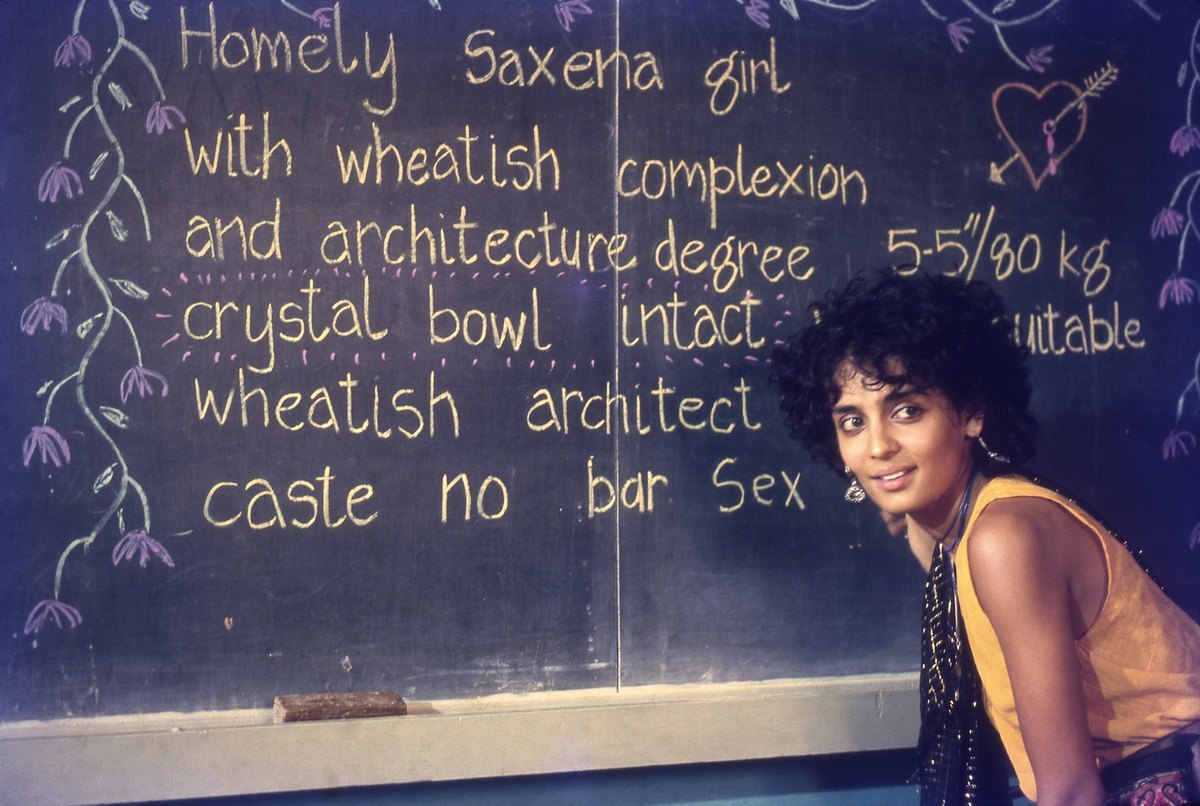
In Which Annie Gives It Those Ones
dir. Pradip Krishen, India 1989, 112’
*Polish premiere*
[cinema only]
In Indian culture, the guru-shishya tradition defines the teacher-student relationship, setting the standard for education for centuries. It is rooted in closeness, but also in deep reverence for hierarchy. Here, the teacher is less a partner than a superior whose authority remains unquestioned – a guardian of an academic and social order that is conservative, suppressing of individuality, and inherently suspicious of unconventional student ideas (such as planting trees along railway tracks when the examination board expects a classic public building design). Pradip Krishen's protagonist, Anand "Annie" Grover, is incapable of conforming to the established rules and is repeating his final year for the fifth time, placing his personal ideals above a degree. A perpetual student who prefers trees to conventional assignments, Annie constantly challenges the faculty, spurred on by his equally rebellious classmates. Creative, impatient, and idealistic, they dream of making the world a better place and dismantling the system. Woven with vibrant satire and pulsating with 1970s psychedelic music, the film captures the timeless clash between individuality and institutional conformity. The screenplay was penned by Indian author Arundhati Roy, who would later achieve global acclaim with The God of Small Things.
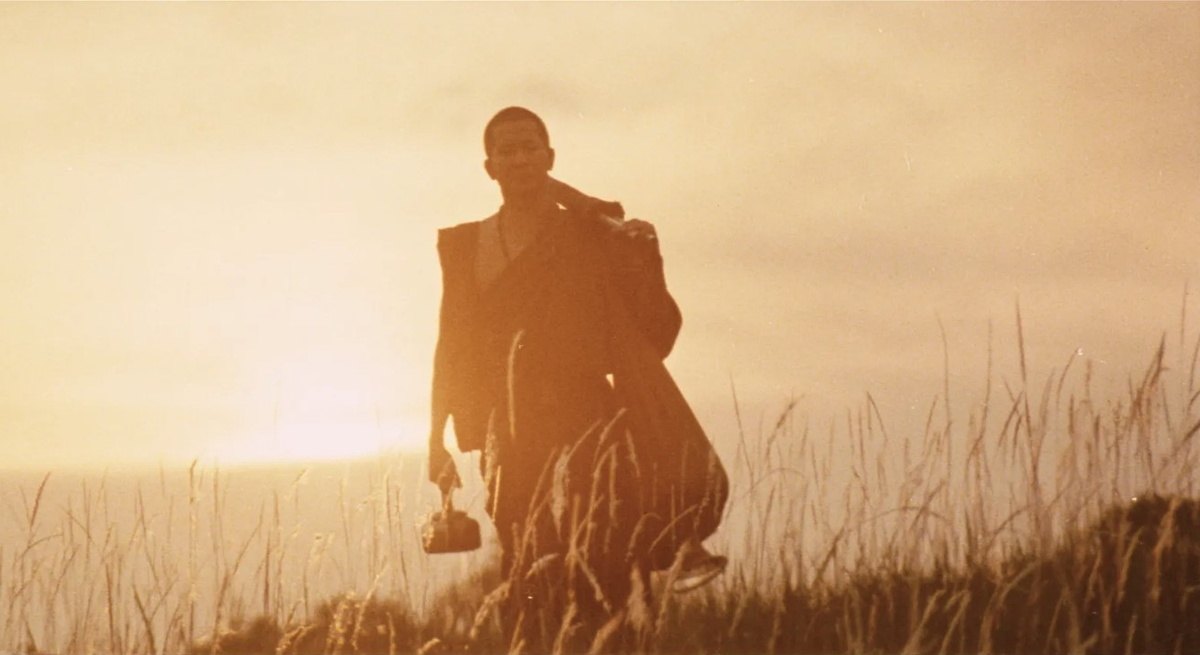
I Am with a Monk / Kha Ma Kap Phra
dir. Khom Akadet, Thailand 1984, 118’
*polish premiere*
[cinema + online]
On the run from local thugs, a fugitive finds shelter under the care of a wandering monk. Together, they traverse the Thai backwaters – a terrain rife with ruffians who need pacifying, and endless opportunities to put the monk’s patience to the test. Their journey swiftly turns into a series of absurd encounters, brawls, and unexpected lessons in self-discipline. I Am with a Monk is a wild blend of action cinema, slapstick comedy, a Buddhist parable on karmic relationships, and a spaghetti western set in rural Thailand. The film stars two legends of Thai cinema, Sombat Metanee and Sorapong Chatree, with Khom Akadet – one of the key directors of the genre's golden era – behind the camera. Long, brutal fight sequences sit side-by-side with light-hearted humour, while the violence is defused by the figure of the monk, whose primary weapon turns out to be patience itself.
The subversiveness of I Am with a Monk elevates Khom Akadet’s story beyond the scope of ordinary, if spectacular, action cinema – it stands as a cult, eccentric, and transgressively energetic showcase of genre-bending filmmaking. Restored by the Thai Film Archive, I Am with a Monk offers an immersive dive into Thai pop culture at its most unapologetic and unpretentious.
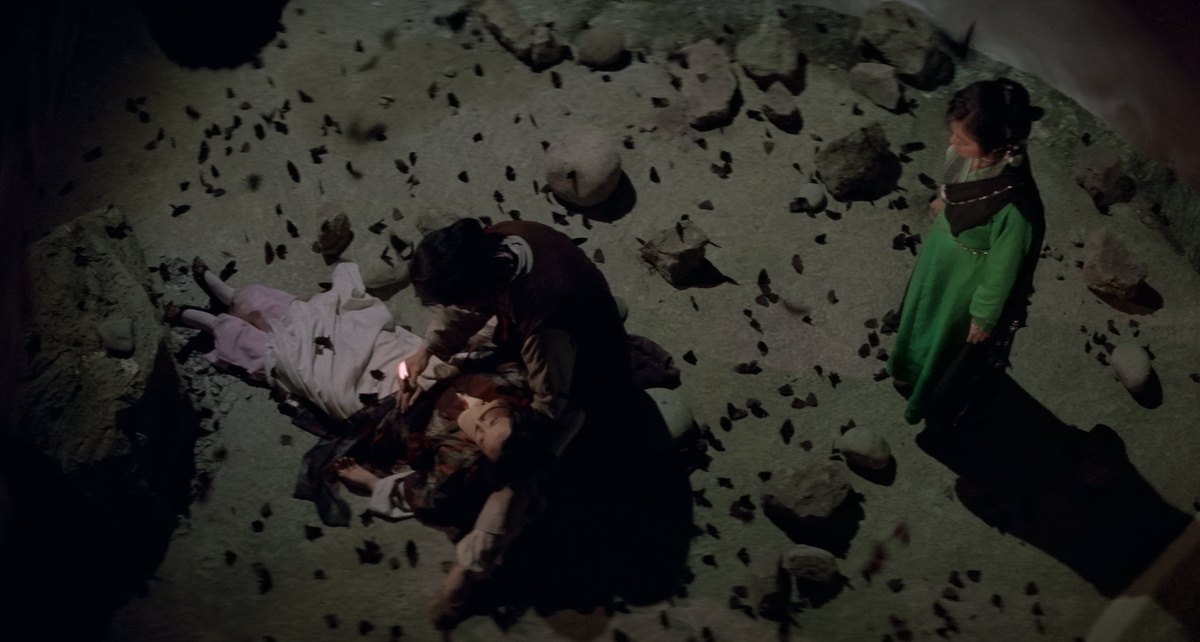
The Butterfly Murders / Dip bin
dir. Tsui Hark, Hong Kong 1979, 88’
*European premiere*
[cinema + online]
A scholar investigates a series of mysterious deaths among martial arts experts, apparently killed by swarms of deadly butterflies. Accompanied by two martial artists, he is summoned to the ominous Shen family castle to unravel the mystery, a quest that soon puts all three in mortal danger. Who is behind the murders, and how are they able to control the butterflies?
One of the landmark works of the Hong Kong New Wave, Tsui Hark’s feature debut is a remarkable achievement. With its wealth of inventive ideas, it sees the young director boldly challenging the conventions of martial arts cinema. The result is an atmospheric, eclectic film that draws on both Asian and Western traditions, blending wuxia with fantasy, horror and detective fiction, while paying clear homage to Alfred Hitchcock. Its infectious passion for cinema has lost none of its appeal over the decades. The Butterfly Murders remains a singular work, unlike anything else in film history. This screening of a digitally restored print offers a rare chance to revisit the early work of a filmmaker who, just a few years later, would help shape the future of Hong Kong cinema.
The film’s digitally reconstructed version, made by M+, will have its European premiere at the 20th Five Flavours Asian Film Festival.
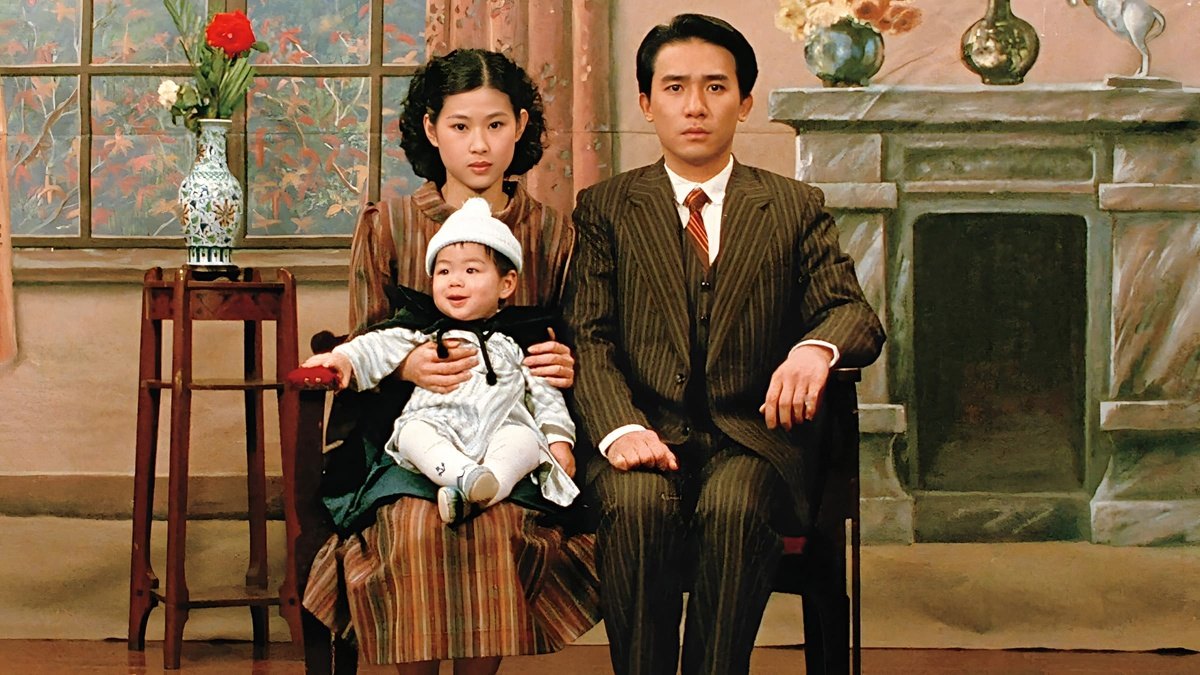
A City of Sadness / Bēiqíng chéngshì
dir. Hou Hsiao-hsien, Taiwan 1989, 157’
*Polish premiere*
[cinema + online]
Following its defeat in the war, Japan is forced to cede Taiwan to the Republic of China. The early years under Chinese Nationalist Party rule bring immense brutality to the island, quickly plunging it into economic crisis and widespread social chaos. At the centre of these historical upheavals is the Lin family, living in the port city of Keelung. The eldest brother tries to keep the family business afloat, the second disappears in the war, the third returns traumatised and becomes entangled in shady dealings, while the youngest – a mute photographer named Wen-ching – aligns himself with leftist intellectuals. When bloodily suppressed protests erupt on 28 February 1947, the brothers become bound to the tragic events leading up to the long period of White Terror that followed. Released just two years after the lifting of martial law, Hou Hsiao-hsien’s film takes the form of a monumental masterpiece that crowns the Taiwanese New Cinema movement. Awarded Taiwan's first-ever Golden Lion at the Venice Film Festival, A City of Sadness was also the first film on such a scale to break the silence surrounding the February 28 Incident and the dark era of the White Terror. The role of the youngest brother, Wen-ching, is played by the renowned Hong Kong actor Tony Leung Chiu Wai.
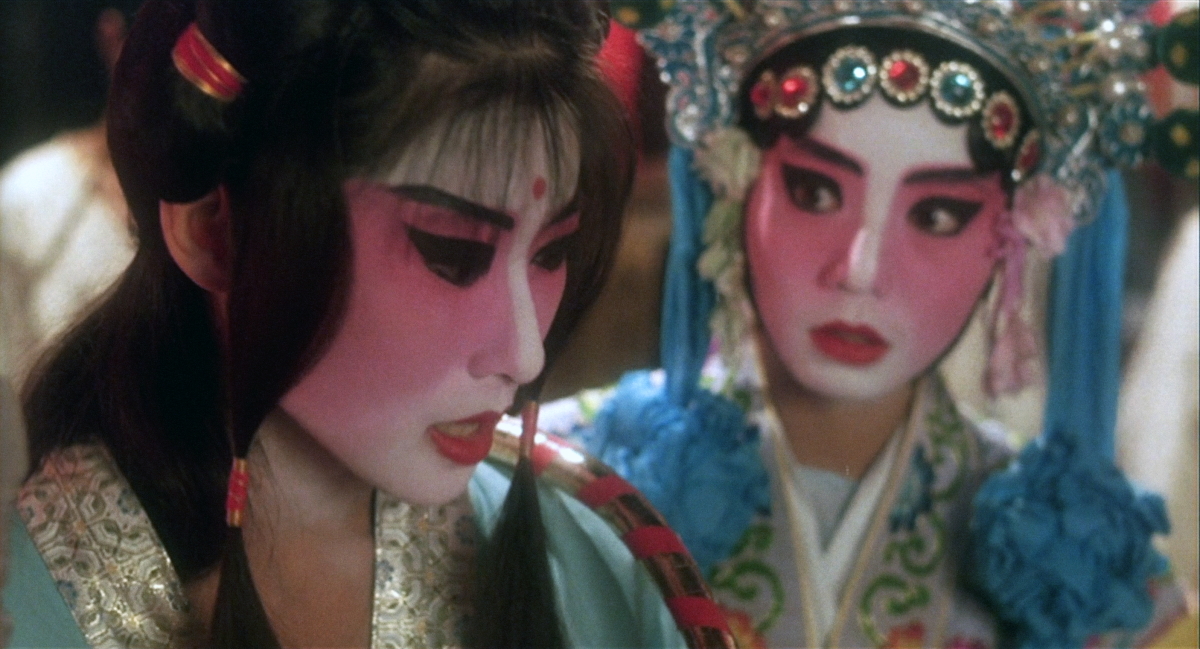
Peking Opera Blues / Do ma daan
dir. Tsui Hark, Hong Kong 1986, 104’
*Polish premiere*
[cinema + online]
In 1913, China is in a state of chaos – its weak central government leaves corrupt warlords competing for influence. One night in Beijing engulfed in historical turmoil, the paths of three women cross. One is following a box containing valuables, another dreams of a career as an opera performer, and the third has a dangerous revolutionary mission to carry out. Will they manage to survive as bullets fly through the air?
Peking Opera Blues is a cinematic treat, a showcase of the director’s mastery of breakneck action and a blend of genres and tropes ranging from slapstick comedy and caper film to historical drama, ultimately becoming a grand tribute to Chinese opera. It also brings together three leading ladies of Hong Kong cinema – Cherie Chung, Sally Yeh and Brigitte Lin (sporting stylish menswear). Decades later, there is no doubt why Peking Opera Blues remains widely celebrated as the crowning achievement of Tsui’s filmography.
