


Kiedy Japonia śniła neonowe sny – ejtisowa eksplozja na 19. Pięciu Smakach!
Lata 80. w japońskim kinie to dekada nieokiełznanej fantazji – pełna neonowego światła, buntu i absolutnej wolności twórczej. W tym roku pięciosmakowy listopad rozbłyśnie feerią kolorów i snów z tamtej epoki, gdy Japonia wierzyła, że wszystko jest możliwe. Nadchodzi sekcja Japan 80s, a wraz z nią city-popowy musical, seksualne przebudzenie o sile tajfunu, psychodrama rozbijająca rodzinny porządek i motocyklowe love story, które roztrzaska wam serce.
Po kryzysie systemu studyjnego i rozdęciu bańki spekulacyjnej w połowie lat 80. japońskie kino znalazło się na zakręcie. Stabilne struktury zniknęły, a nagły ekonomiczny dobrobyt karmił odważne wizje filmowców. W środowisku artystycznym pojawiło się nowe pokolenie twórców, które chciało wysadzić kino z ram gatunkowych i stworzyć sztukę od nowa – odważniejszą, bardziej wywrotową i pełną czystej, twórczej energii.
To właśnie wtedy rodziły się nieposkromione wizje Shinjiego Sōmaia, Nobuhiko Ōbayashiego czy Yoshimitsu Mority, choć w akademickich opracowaniach poświęconych latom 80. często pozostają na marginesie. Jeśli kiedykolwiek powstał mit Japonii jako miejsca „dziwnego, ale cool”, to w dużej mierze dzięki nim. Rok temu przemierzaliśmy Tokio przez dekady, teraz cofamy się o cztery, by zobaczyć miasto w pełnym blasku neonów i posłuchać melodii city-popu rozbrzmiewających podczas letnich nocy.
Japan 80s to pierwsza w Polsce próba uchwycenia dekady eksplodującej największą w historii japońskiego kina kreatywnością. Jedno jest pewne: zobaczycie Japonię, której nie znacie – i którą trudno się nie zachwycić!
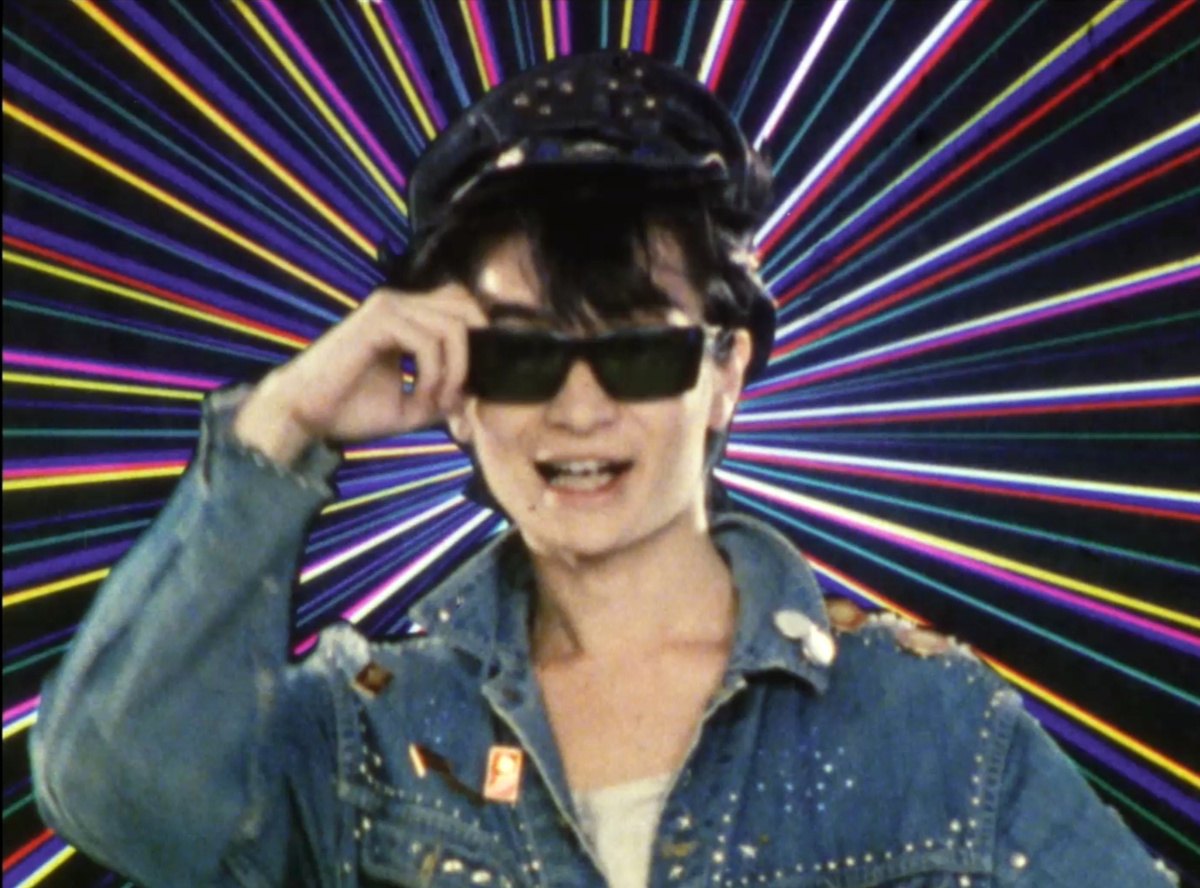
Stardust Brothers
Hoshikuzu kyōdai no densetsu / The Legend of the Stardust Brothers
reż. Makoto Tezuka, Japonia 1985, 100’
[kino + online]
Dwóch muzyków, Kan i Shingo, marzy o wielkiej karierze, ale dzieli ich wszystko – od muzycznego gustu po temperament, poza tym – szczerze się nienawidzą. Gdy trafia im się propozycja nie do odrzucenia, resentymenty idą w odstawkę, a duet zrodzony z czystej kalkulacji zaczyna błyszczeć niczym gwiazdy z fabryki snów. Tak powstają Stardust Brothers, j-popowi brokatowi idole niezrażeni kiczem własnych piosenek, trafiający idealnie w gust głodnej iluzji japońskiej publiki lat 80.
Musicalowy sen wariata, który wyszedł spod ręki Makoto Tezuki, legendy japońskiego eksperymentu filmowego, to osobliwa wizja showbiznesu ery bańki spekulacyjnej. W zwiewnych melodiach city-popu, fantazyjnych scenografiach i oślepiającym blasku gwiazd zaangażowanych w projekt odbija się niepowtarzalna atmosfera dekady, gdy wszystko można było sfabrykować. „Stardust Brothers” to ekscentryczna satyra na grzeszki przemysłu rozrywkowego, a zarazem japońska odpowiedź na „Rocky Horror Picture Show”. Choć po wejściu do kin projekt zakończył się spektakularną klapą, dziś „Stardust Brothers” stał się tytułem kultowym – odrestaurowany i odkryty na nowo, jest dowodem na potwierdzenie tezy, że lata 80. w Japonii były czasem absolutnie wyjątkowym.
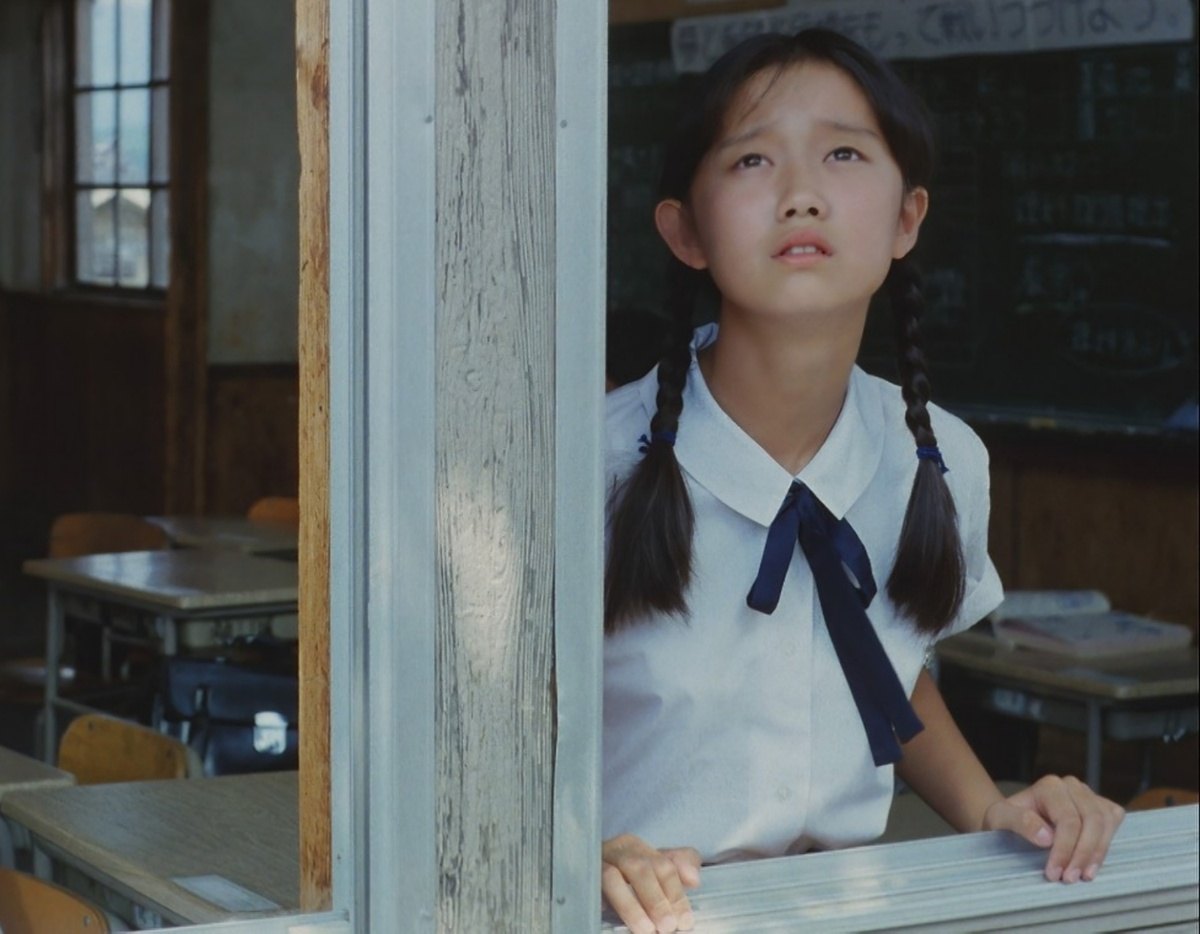
Typhoon Club
Taifû kurabu
reż. Shinji Sōmai, Japonia 1985, 115’
[kino + online]
Pięć dni z życia uczniów pewnej szkoły w Tokio. Gdy nad tokijskie przedmieścia nadciąga tajfun, część młodych zostaje w szkolnym gmachu, by przeczekać nawałnicę. Ale wraz z pierwszymi podmuchami wiatru zaczyna się w nich budzić seksualna energia, której nikt nie jest w stanie zatrzymać! Po przejściu tajfunu nic nie będzie już takie samo jak przedtem.
Arcydzieło Shinjiego Sōmaia można czytać jako japońską wariację na „Klub winowajców” – tyle tylko, że energia hulającego za oknem tajfunu ma tu odzwierciedlać chaos i nieprzewidywalność seksualności kilku nastolatków. Motyw pozostawania „po godzinach” podniesiono w „Typhoon Club” do rangi formacyjnego doświadczenia, a szkolne korytarze zamieniają się w scenę transgresji i inicjacji. Powszechnie uznawany za jeden z najwybitniejszych japońskich filmów, uwielbiany przez Kiyoshiego Kurosawę i Ryūsuke Hamaguchiego, „Typhoon Club” jest nieokiełznanym coming-of-age – manifestem młodości, który dekonstruuje gatunek i redefiniuje jego siłę.
Film zostanie pokazany w wersji odrestaurowanej w 4K.
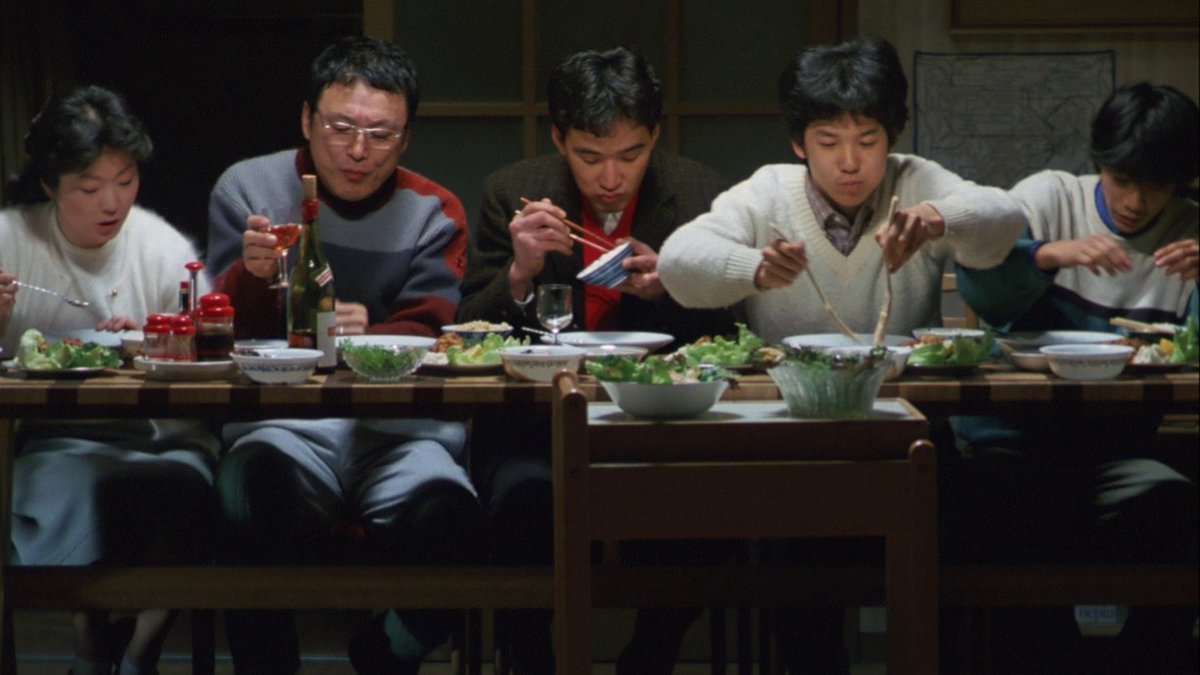
Familiada
Kazoku Gēmu / The Family Game
reż. Yoshimitsu Morita, Japonia 1983, 107’
[tylko kino]
Rodzina z klasy średniej żyje w Tokio zgodnie z panującym porządkiem społecznym: ojciec jest zapatrzony w zawodowy awans, matka dba o pozory, starszy z braci to wzór synowskich cnót, a młodszy musi nadgonić. Aby poprawić jego wyniki w nauce, rodzice zatrudniają prywatnego korepetytora. Zamiast harmonii pojawia się jednak ferment – nauczyciel staje się katalizatorem chaosu, obnażając pustkę rytuałów i absurd presji edukacyjnej.
Yoshimitsu Morita w swojej słynnej psychodramie trafnie uchwycił atmosferę lat 80. w Japonii – dekady prosperity, rodzących się klasowych aspiracji i społecznego nacisku, by całe życie podporządkować idei sukcesu. Za szklaną fasadą domu, przy stole jadalnym będącym li tylko elementem scenografii, reżyser rozkłada na czynniki pierwsze rodzinę jako instytucję w świecie, gdzie edukacja staje się źródłem konformizmu, a sukces jedyną walutą. „Familiada” jest filmem kultowym – przez Kinema Junpo uznanym za najlepsze dzieło dekady – i do dziś pozostaje punktem odniesienia dla kina krytycznie przyglądającego się rodzinie w japońskim społeczeństwie. To satyra, która nie straciła na aktualności: równie celna, śmieszna i gorzka dziś, co w momencie premiery – nie bez powodu formacyjna dla późniejszego pokolenia filmowych humanistów.
Film zostanie pokazany w wersji odrestaurowanej w 4K.
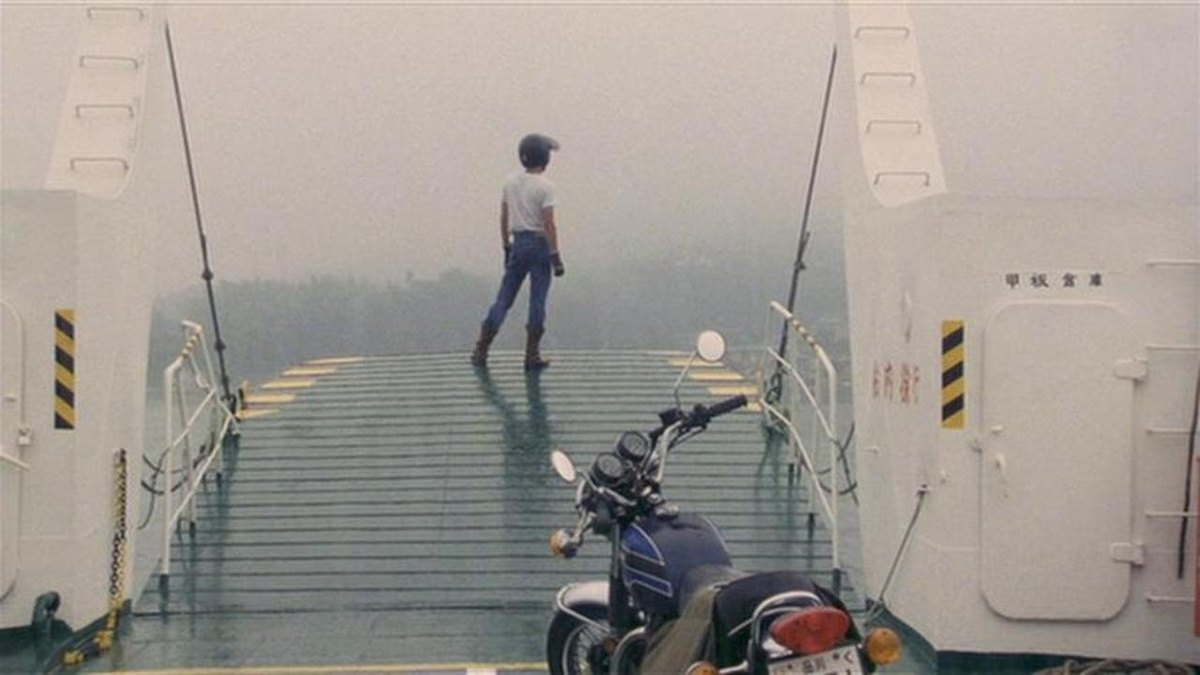
Jego motor, jej wyspa
Kare no ōtobai, kanojo no shima / His Motorbike, Her Island
reż. Nobuhiko Ōbayashi, Japonia 1986, 90’
[tylko kino]
Po zakończeniu kolejnego nieudanego związku temperamentny romantyk Ko wsiada na motor Kawasaki W3 650 i rusza przed siebie. Na jednej z wysp spotyka Miyo – dziewczynę, dla której wolność i prędkość są równie naturalne jak oddech. Ich romans rodzi się przy akompaniamencie szumu fal i ryku silnika, z jazdy bez celu na jednośladzie, w której liczy się tylko wiatr we włosach i obecność drugiej osoby. Obsesja prędkości u dziewczyny zacznie jednak w Ko budzić lęk.
Twórca kultowego „Hausu”, absolutny wizjoner Nobuhiko Ōbayashi, w swoim najbardziej poetyckim tytule z filmu drogi tworzy kipiący od uczuć list do utraconej młodości. Z japońskiego południa układa mozaikę hipnotyzujących przestrzeni, które wtórują przekonaniu, iż młodość będzie trwała wiecznie. „Jego motor, jej wyspa” to film, w którym bije serce lata, gorącemu romansowi towarzyszy zaś melancholia odchodzących dni i bunt wobec dorosłości. W Japonii zyskał status kultowego – jako hymn młodości, która pędzi naprzód, zanim ktokolwiek zdąży ją zatrzymać.
Film zostanie pokazany w wersji odrestaurowanej w 4K.
Sekcja Japan 80s powstała przy wsparciu z Japan Foundation.
Karnety na 19. Azjatycki Festiwal Filmowy Pięć Smaków są już dostępne!
Kup karnet
19. edycja festiwalu odbędzie się w formule hybrydowej:
-
online, w całej Polsce: 12 listopada – 30 listopada 2025
-
w kinach: 12–19 listopada 2025, Warszawa, Kino Muranów, Kinoteka, Kinomuzeum (MSN)
Dostępne są dwa rodzaje karnetów:
-
Karnet Pięć Smaków Kino+Online, w cenie 400 zł – umożliwia wstęp na wszystkie projekcje filmowe (za wyjątkiem uroczystego otwarcia) podczas festiwalu w kinach oraz dostęp do wszystkich filmów na festiwalowej platformie wideo. W programie znajdzie się co najmniej 42 filmów pełnometrażowych. Liczba karnetów jest ograniczona.
-
Karnet Pięć Smaków Online, w cenie 230 zł – umożliwia dostęp do wszystkich filmów na festiwalowej platformie wideo. Online dostępnych będzie co najmniej 30 filmów z programu festiwalu. Liczba karnetów online jest nielimitowana i będą dostępne w sprzedaży także w trakcie trwania festiwalu.