


Kręte ścieżki migracji – ogłaszamy kolejną sekcję z programu 19. Pięciu Smaków
Intensywny dzień chińskiego dostawcy jedzenia w Nowym Jorku, próba odnalezienia się w społeczności LGBTQ+ w Seulu chłopaka z Północy czy poszukiwanie korzeni i tożsamości przez dziewczynę, której ojciec wyemigrował lata temu z Korei Południowej do Ameryki Łacińskiej... Sekcja Fokus: Migracje prezentuje spojrzenie na przyczyny i skutki migracji – zarówno wewnątrz Azji, jak i poza kontynent. Dlatego znajdą się tu także filmy jak na Pięć Smaków zaskakujące – bo zrealizowane poza Azją.
Ludzie wędrują po świecie od zawsze. Zmieniają kraj zamieszkania, szukając lepszych warunków do życia i świeżego startu. Uciekają przed konfliktami zbrojnymi, prześladowaniami czy po prostu przed problemami osobistymi. Dzięki zderzeniu charakterów i obyczajów rodzą się nowe tożsamości kulturowe, kulinarne czy językowe, a doświadczenie migracji trwale zmienia zarówno przybyszów, jak i gospodarzy. Choć politycy chętnie sięgają po ten temat, wykorzystując go jako paliwo napędzające lęk przed obcymi, utratą miejsc pracy i wzrostem przestępczości, migracje są naturalnym i stałym procesem zachodzącym nieustannie na wszystkich szerokościach geograficznych, często w nieoczywistych z naszej perspektywy kierunkach.
Sekcja Fokus: Migracje to wielogłosowa opowieść o jednostkach, które miały odwagę odmienić swoje życie, opuszczając ojczyznę. Twórcy wybranych przez nas filmów szukają odpowiedzi na pytanie o to, jak wiele to doświadczenie wnosi do ich życia, ale także jaką cenę płaci się za bycie przybyszem w obcym kraju, jak wygląda adaptacja do nowych warunków, jaki jest los kolejnych pokoleń imigrantów.
Jednocześnie sekcja ta pomoże nam zdefiniować współczesne kino narodowe. Po raz pierwszy prezentujemy filmy zrealizowane poza kontynentem – w Stanach Zjednoczonych i w Argentynie – przez artystów pochodzenia azjatyckiego. Uważamy, że bez perspektywy osób, których życie zostało ukształtowane przez doświadczenie emigracji, sekcja ta nie byłaby kompletna.
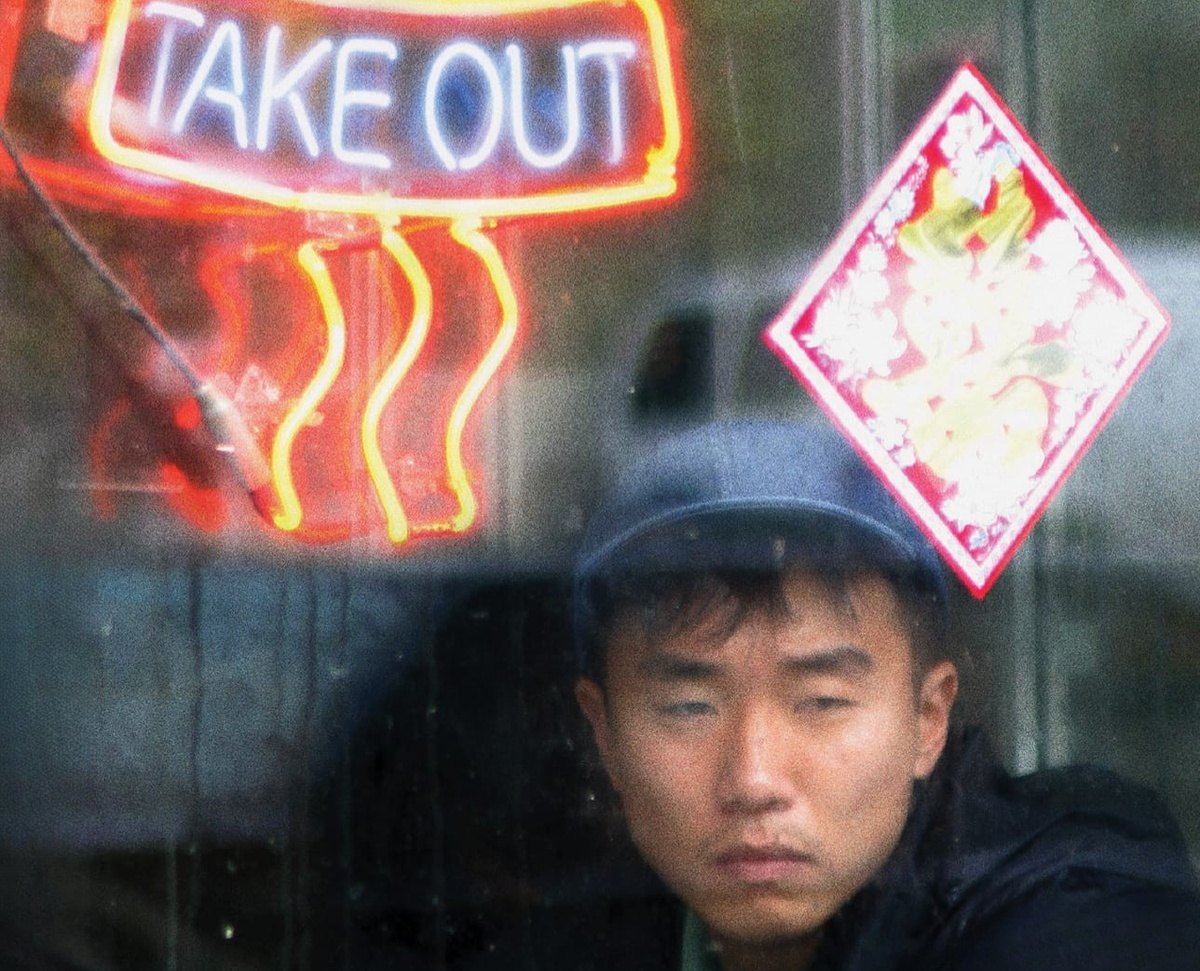
Take Out
Sean Baker, Tsou Shih-ching, USA, 2004, 91’
[kino + online]
Zatłoczone ulice Manhattanu, deszczowe popołudnie w nowojorskim Chinatown. Ming Ding, dostawca chińskiego jedzenia, ma jeden dzień, by spłacić dług u migracyjnej mafii. Każdy kurs to bieg na czas, każdy przystanek – kolejne napiwki odliczane do końca zmiany. Kamera podąża za bohaterem krok w krok przez windy, klatki schodowe i ciasne mieszkania, rejestrując rytm pracy – brzęk monet, dźwięki z wydawki, oddech poganianego przez system człowieka.
„Take Out” to zapis jednego dnia, w którym wszystko może się rozpaść – ani manifest, ani reportaż, rejestruje to, co w dyskusji o migracji często ginie: codzienny rachunek za wjazd do kraju i koszty przeżycia poza „legalnym” obiegiem. Baker i Tsou wchodzą w chińską diasporę, odsłaniając elementy ekonomii migracji, dokumentując je bez patosu i bez estetyzacji tragedii. To film zrealizowany za garść dolarów, zrobiony na ulicy, instynktownie, w stylu, który później Baker doprowadzi do perfekcji w „Mandarynce”, a Tsou w „Left Handed Girl”. Rozedrgane ujęcia, brak fizycznego dystansu i surowy montaż tworzą wrażenie nieustannego biegu, ciągłego krążenia po ścieżce krętych wyborów, determinujących doświadczenie migracji. „Take Out” to masterclass z humanistycznego neorealizmu – minimalnym gestem opowiadający o tematach znanych wszędzie na świecie.

Starszy syn
Hijo Mayor/Elder Son
Cecilia Kang, Argentyna, Francja, 2025, 118’
[kino]
Lila urodziła się w Buenos Aires, w rodzinie koreańskich imigrantów, w której nic nigdy nie było oczywiste, ani łatwe. Zawsze brana za turystkę we własnym kraju, zaczyna kwestionować swoje korzenie i tożsamość. Jej ojciec Antonio, który przed laty zostawił Koreę i spróbował ułożyć sobie życie w Ameryce Południowej, zmaga się z własnym bagażem – pamięcią o trudnych decyzjach, których echo dociera do niego po dziś dzień.
Mająca koreańskie korzenie, argentyńska reżyserka Cecilia Kang dzieli swój film na trzy części: teraźniejszość Lili, retrospekcje Antonia i uroczą sekwencję dokumentalną, w której przedstawia swoich rodziców, zdjęcia i wspomnienia. „Starszy syn” to intymna, osobista opowieść o kulturowym rozdarciu i poszukiwaniu miejsca, które możnaby nazwać domem. Kang opowiada o kwestiach tożsamościowych z zaangażowaniem i sercem, pozwalając swojej widowni zobaczyć, że doświadczenie migracji znajduje swoje odbicie i w geografii, i w pamięci. Debiut Kang to opowieść, która zaciera granice między fikcją i dokumentem, tworząc spójne, poruszające świadectwo.
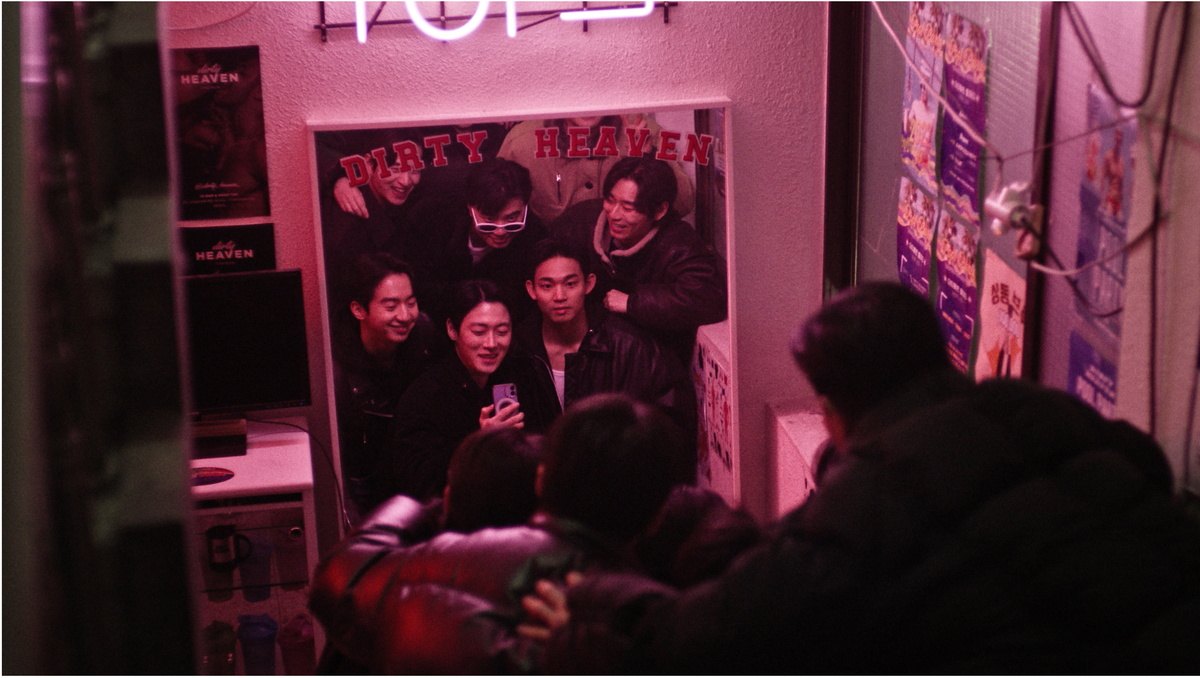
3670
Park Joon-ho, Korea Południowa, 2025, 124’
[kino + online]
Cheol-jun to dwudziestoparoletni dezerter z Korei Północnej. W ciągu dnia uczęszcza do szkoły językowej, przygotowuje się do studiów i dorabia w sklepie całodobowym. Wieczorami zaś umawia się z mężczyznami poznanymi przez aplikacje randkowe. Jego pochodzenie i orientacja seksualna sprawiają jednak, że czuje się odizolowany od znajomych, wśród których się obraca. Podczas jednej z grupowych randek w klubie poznaje Young-juna. Ta znajomość zmieni jego spojrzenie na dotychczasowe życie i pomoże mu otworzyć się na nowe doświadczenia.
Pełnometrażowy debiut Parka Joon-ho, który otrzymał aż cztery z sześciu nagród w konkursie koreańskim na tegorocznym festiwalu filmowym w Jeonju, to opowieść o dorastaniu w Korei widzianym z dwóch dotąd marginalizowanych perspektyw. Reżyser z wrażliwością pokazuje zarówno przedstawicieli społeczności LGBTQ+, jak i dezerterów z Korei Północnej, jako indywidualistów z krwi i kości, których nie definiuje się wyłącznie poprzez ich pochodzenie czy orientację. Ich codzienne problemy, przeplatające się z nocnym życiem, tworzą wielobarwny obraz doświadczeń młodych ludzi, którzy starają się żyć po swojemu, mimo że świat nieustannie usiłuje ich zaszufladkować i narzucać im swoje zasady.
Film zostanie pokazany także w sekcji K-Youth.
Karnety na 19. Azjatycki Festiwal Filmowy Pięć Smaków są już dostępne!
Kup karnet
19. edycja festiwalu odbędzie się w formule hybrydowej:
-
online, w całej Polsce: 12 listopada – 30 listopada 2025
-
w kinach: 12–19 listopada 2025, Warszawa, Kino Muranów, Kinoteka, Kinomuzeum (MSN)
Dostępne są dwa rodzaje karnetów:
-
Karnet Pięć Smaków Kino+Online, w cenie 400 zł – umożliwia wstęp na wszystkie projekcje filmowe (za wyjątkiem uroczystego otwarcia) podczas festiwalu w kinach oraz dostęp do wszystkich filmów na festiwalowej platformie wideo. W programie znajdzie się co najmniej 42 filmów pełnometrażowych. Liczba karnetów jest ograniczona.
-
Karnet Pięć Smaków Online, w cenie 230 zł – umożliwia dostęp do wszystkich filmów na festiwalowej platformie wideo. Online dostępnych będzie co najmniej 30 filmów z programu festiwalu. Liczba karnetów online jest nielimitowana i będą dostępne w sprzedaży także w trakcie trwania festiwalu.