


Świeżym okiem – konkursowe Nowe Kino Azji na 19. Pięciu Smakach!
Nowe Kino Azji to sekcja, w której liczy się odwaga i świeżość. To kino tworzone przez młodych twórców, szukających tematów w lokalności, w politycznych napięciach i nieopowiedzianych dotąd kontekstach. Tegoroczna selekcja ujawnia niepokoje pogranicza – od pełnego resentymentu koreańskiego wybrzeża, przez japońskie dystopie, filipińskie senne drogi, po bangladeskie metropolie wzniesione na piasku. Ogłaszamy też skład tegorocznego People's Jury, które wybierze najlepszy film festiwalu.
Pięciosmakowy konkurs jest sercem festiwalu – miejscem odkryć i licznych eksperymentów. To tutaj widzowie po raz pierwszy spotykają twórców, którzy łamią schematy, zmieniają język kina i portretują miejsca, których dotąd nie widzieliśmy. Filmy te są oknem na azjatycką rzeczywistość, pomijaną zwykle przez mainstream. Intensywne, zaangażowane, lokalne – to opowieści czekające na odkrycie. Zwycięzcę konkursu Nowe Kino Azji wybierze międzynarodowe grono People’s Jury.
W programie znalazł się japoński dramat o bliskiej w czasie dystopii – doceniony na festiwalu w Wenecji „Happyend”. Na koreańską prowincję zabierze widzów „Kraina spokojnego poranka” – gorzka przypowieść o wyrastającym z codzienności moralnym niepokoju. Z kolei „Na robocie” zaprosi w podróż przez filipińskie pejzaże – to senne kino drogi ujawniające obecne na Filipinach napięcia klasowe. W tym roku po latach nieobecności do konkursu powraca reprezentant Bangladeszu – w tej roli wystąpi hipnotyzujące, poetyckie „Miasto z piasku”.
Nowe Kino Azji to nie tylko wybór doskonałych filmów. Sekcja chwyta rytm współczesności, a każdy z tytułów zachwyca oryginalnością, obiecując nową wrażliwość, nową jakość. Zapamiętajcie nazwiska ich twórców – to oni będą niebawem wyznaczać kształt współczesnego kina Azji!
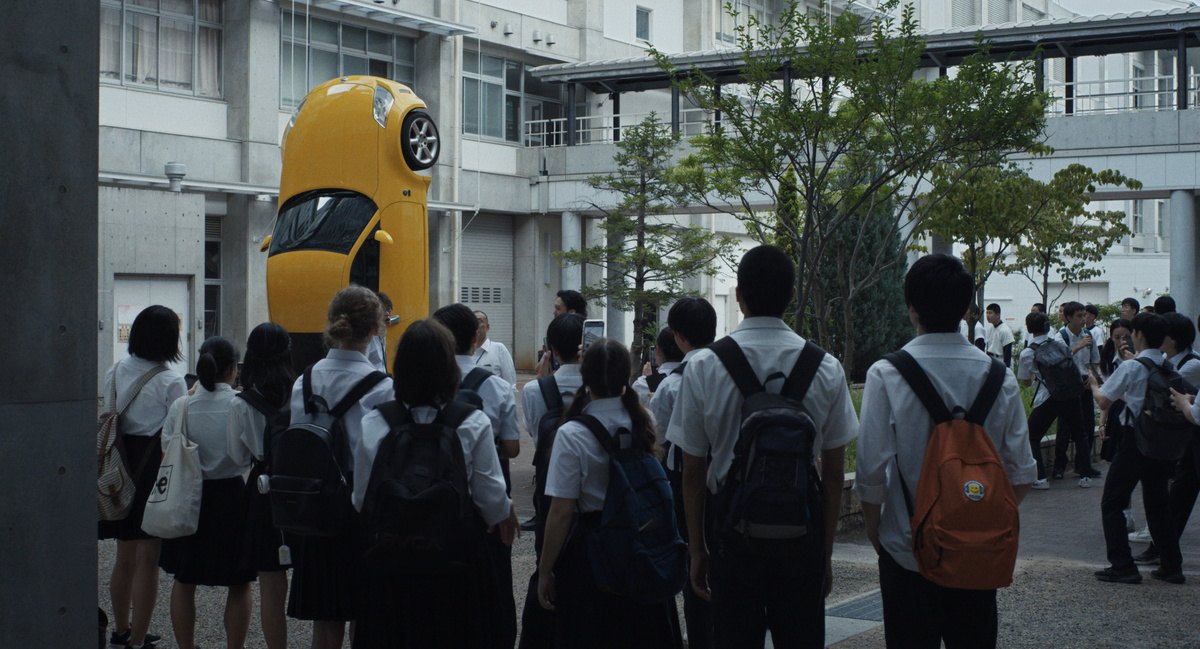
Happyend
Neo Sora, Japonia 2024, 113’
[tylko kino]
Niewinny żart z samochodem dyrektora w prestiżowym tokijskim liceum uruchamia lawinę podejrzeń. Dwóch przyjaciół, marzących już o ucieczce poza mury szkoły i granice Japonii, staje się głównym celem nowego systemu kamer – sieci, która pod czujnym okiem władzy zamienia codzienność uczniów w dystopijny spektakl.
Długo oczekiwany debiut fabularny Neo Sory to portretująca pokoleniowe niepokoje wariacja na niedaleką przyszłość tokijskiej metropolii. Bohaterami filmu są młodzi Japończycy, żyjący w świecie, w którym każdy ruch jest rejestrowany, a niewinna zabawa obraca się w polityczny akt buntu. Pulsujący elektroniczną muzyką, przepełniony intrygującymi rozwiązaniami formalnymi i zadający trudne pytania o przyszłość Kraju Kwitnącej Wiśni, „Happyend” to odkrycie japońskiego kina niezależnego – długo oczekiwany nowy głos, przykład autorskiej niepokorności. Nawiązując do tradycji japońskich protestów, Sora tworzy nieoczywisty manifest pokolenia, które nie zgadza się na obojętność. To film wypełniony energią młodych, szukających w swoich życiorysach szczęśliwych zakończeń, których japońska rzeczywistość desperacko potrzebuje.

Kraina spokojnego poranka
Achim bada galmaegi-neun / The Land of Morning Calm
Park Ri-woong, Korea Południowa 2024, 114’
[kino + online]
Starszy kapitan Young-guk codziennie rano wypływa na połów wraz z młodym rybakiem Young-su. Gdy pewnego dnia wraca na ląd bez niego, musi zmierzyć się z rodziną rybaka, która nie dopuszcza do siebie myśli o zaginięciu chłopaka. Mieszkańcy rybackiej wioski szybko rezygnują z poszukiwań, lecz na światło dzienne wychodzą fakty dowodzące, że miejsce to nie jest tak harmonijnym mikrokosmosem, jak mogłoby się wydawać z zewnątrz.
„Kraina spokojnego poranka” pod pretekstem zagadki kryminalnej opowiada o wiejskiej społeczności. Reżyser wydobywa na powierzchnię problemy, które w kinie są często pomijane, a w dyskursie społecznym – marginalizowane. Ciemne strony południowokoreańskiej polityki „multikulturowości”, promowanej na prowincji w celu zwiększenia przyrostu naturalnego, przedstawione są tu z szerszej perspektywy. Reżyser nie czaruje egzotyką, nie krytykuje też swoich bohaterów, ale odważnie pokazuje napięcia obecne w społeczności. Starannie poprowadzona narracja ujawnia opinie mieszkańców i zawiązujące się między nimi relacje. Niepokojąca atmosfera, której źródłem zdaje się być głębina oceanu, wpływa na całą wioskę.
Film pokazywany jest również w sekcji Focus: Migracje.
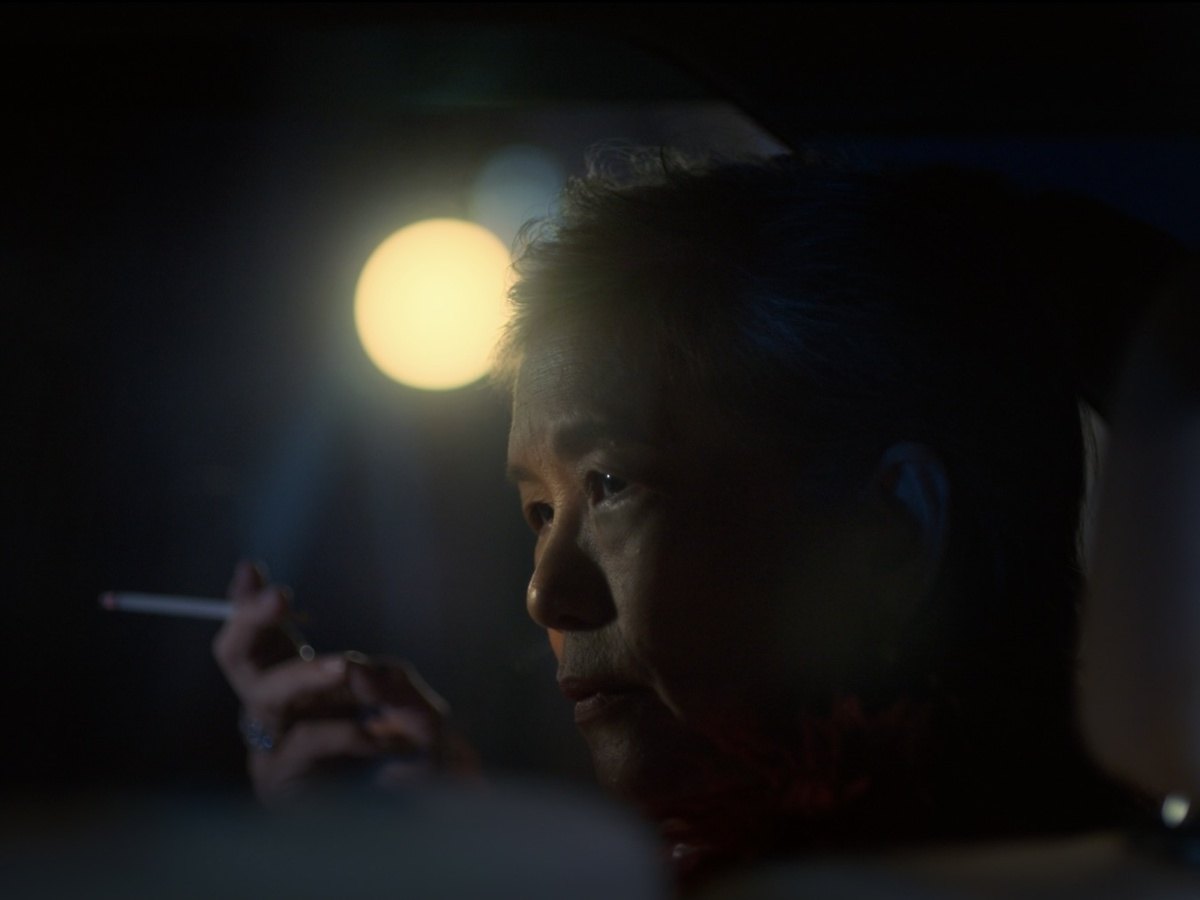
Na robocie
An Errand
Dominic Bekaert, Filipiny 2024, 83’
[kino + online]
Moroya, kierowcę wpływowego, ale kapryśnego biznesmena, w środku nocy budzi telefon. Dostaje robotę – ma pojechać z Baguio do Manili i przywieźć koszulkę z nadrukiem Mona Lisy i lekarstwo na potencję dla szefa. Z pozoru prosta misja zamienia się w klaustrofobiczne laboratorium snów i pamięci. Moroya nawiedzają wspomnienia dawnych fuch, rozmowy z innymi kierowcami, ulotne wizje, w których teraźniejszość miesza się z fantazjami o przyszłości. Zbliżając się do celu, mężczyzna dryfuje między klasowymi podziałami, ciężarem hierarchii i absurdem zleconego zadania.
Adaptacja opowiadania Angelo Lacuesty to kino drogi neonoir charakteryzujące się senną aurą i atmosferą pełzającej alienacji. Zamknięta we wnętrzu sunącego szosą samochodu, fabuła „Na robocie” wciąga w introspektywną opowieść o męskości, która staje się równie często fantazją, co udręką. Reżyser czerpie z rezerwuaru środków road movie, zamieniając zwykły pojazd w wehikuł opowieści, w przestrzeń pełną dygresji, mitów i podsłuchanych historii, w której do głosu dochodzą nadużycia i nierówności. To film, który z błahostki robi wiele mówiący symbol, a z kursu po koszulkę i pigułkę – wstrząsający portret kraju, w którym każda podróż jest jazdą donikąd.

Miasto z piasku
Sand City
Mehde Hasan, Bangladesz 2025, 100’
[kino + online]
Oto dwa pozornie odległe od siebie życiorysy. W sercu Dhaki mieszka Emma, kobieta z aborygeńskiej mniejszości etnicznej, która codziennie podkrada z przestrzeni publicznej piasek dla swojego kota oraz Hasan, pracownik fabryki, skąd wynosi piasek, marząc o własnym warsztacie i tworzeniu szkła. Kiedy Emma znajdzie w ziarnach kwarcu ludzki palec, a Hasan zostanie przyłapany na gorącym uczynku, ich światy zaczną się przenikać.
W historii kina piasek pełni specjalną rolę – to poetycki nośnik znaczeń i metafor. W „Mieście z piasku” jest budulcem bangladeskiej metropolii – Dhaki, wnika głęboko w materię miejsca, w jego codzienność. Piasek nie jest tu tylko tłem, lecz rdzeniem egzystencji w mieście, które rośnie na niestabilnym fundamencie. Przytłaczająca swoją betonową konstrukcją, Dhaka wydaje się monumentalnym zamkiem z piasku – nietrwałym, chwiejnym, pełnym sprzeczności, ale też wspaniałą scenerią dla miejskiej symfonii o wyrazistej formie wizualnej. Inspirowane europejskim modernizmem filmowym „Miasto z piasku” portretuje wielokulturową Dhakę i napięcia związane z jej tożsamością uchwycone w poetyckiej ramie.
Poznaj People’s Jury 19. edycji Pięciu Smaków!
People's Jury jest unikalnym projektem, w którym to nie branżowi specjaliści, ale pełni pasji i energii entuzjaści kina oceniają filmy konkursowe oraz podejmują decyzję, który z festiwalowych tytułów otrzyma Grand Prix.
Tegoroczne People’s Jury to:
- Chloe Sit [Hongkong / Wielka Brytania]
- Emily Jisoo [Wielka Brytania]
- Runqi Luo [Chiny / Wielka Brytania]
- Gijs Suy [Niderlandy]
- Rino Lu [Chiny / Wielka Brytania]
- Karolina Zdunek [Polska]
- Katarzyna Zając [Polska]
- Maria Sukow [Polska]
- Paula Wasiluk [Polska]
Karnety na 19. Azjatycki Festiwal Filmowy Pięć Smaków są już dostępne!
Kup karnet
19. edycja festiwalu odbędzie się w formule hybrydowej:
-
online, w całej Polsce: 12 listopada – 30 listopada 2025
-
w kinach: 12–19 listopada 2025, Warszawa, Kino Muranów, Kinoteka, Kinomuzeum (MSN)
Dostępne są dwa rodzaje karnetów:
-
Karnet Pięć Smaków Kino+Online, w cenie 400 zł – umożliwia wstęp na wszystkie projekcje filmowe (za wyjątkiem uroczystego otwarcia) podczas festiwalu w kinach oraz dostęp do wszystkich filmów na festiwalowej platformie wideo. W programie znajdzie się co najmniej 42 filmów pełnometrażowych. Liczba karnetów jest ograniczona.
-
Karnet Pięć Smaków Online, w cenie 230 zł – umożliwia dostęp do wszystkich filmów na festiwalowej platformie wideo. Online dostępnych będzie co najmniej 30 filmów z programu festiwalu. Liczba karnetów online jest nielimitowana i będą dostępne w sprzedaży także w trakcie trwania festiwalu.