


Młodzi Koreańczycy w świetle pięciosmakowych reflektorów. Startujemy z ogłoszeniami programowymi 19. edycji Pięciu Smaków!
Po miesiącach wytężonej pracy selekcyjnej zamknęliśmy program 19. edycji Pięciu Smaków i jesteśmy z niego naprawdę dumni! Pierwszą sekcją, której program ujawniamy, jest przebojowe K-Youth z kultową "My Sassy Girl" na czele. Przyglądamy się w niej kondycji młodych Koreańczyków na przestrzeni ostatnich dekad, ich problemom, ambicjom i marzeniom.
W ubiegłym stuleciu Korea Południowa była krajem mocno doświadczonym przez los, ale dzięki powszechnym protestom społecznym, które zaczęły się na uniwersytetach, na początku lat 90. wybrała demokrację i stała się tygrysem ekonomicznym. W wiek XXI wchodziła z planem budowy silnej i nowoczesnej gospodarki, a globalna ofensywa hallyu (koreańskiej fali popkultury) sprawiła, że świat usłyszał o k-popie, k-dramach, k-kosmetykach czy k-jedzeniu. Korea stała się modna, a jej produkty zawładnęły umysłami nastolatków od Buenos Aires po Warszawę. Co się jednak kryje pod tą kolorową powierzchnią? Czy dorośli, budując ekonomiczny dobrobyt, stworzyli swoim dzieciom dobre miejsce do życia? Jakie perspektywy na pracę i szczęśliwą egzystencję mają ci, którzy są przyszłością tego kraju?
Badania wskazują, że życie w Korei Południowej przed osiągnięciem dorosłości nie jest usłane różami. Presja związana z wysokim poziomem edukacji, bullying w szkole, następnie długie godziny spędzane w pracy, rosnąca przepaść pomiędzy oczekiwaniami młodych Koreańczyków i młodych Koreanek prowadząca do spadającej liczby związków romantycznych, najniższa dzietność na świecie, wysoki współczynnik samobójstw… – to tylko kilka problemów, które sprawiły, że młodzi mieszkańcy tego kraju zaczęli mówić o nim jako o piekle (Hell Joseon).
Stawiające trafne diagnozy społeczne, Nowe Kino Koreańskie nie zawodzi także i na tym polu i umieszcza młodych ludzi w centrum swojego zainteresowania. Sekcja K-Youth to siedem uznanych tytułów, które składają się na panoramę marzeń i lęków, szans i ograniczeń młodych dorosłych z Korei. To produkcje zrealizowane w różnych okresach historii kina koreańskiego, od lat 80. do dnia dzisiejszego, korzystające z odmiennych konwencji filmowych, zarówno te dysponujące mikrobudżetem, jak i wysokobudżetowe przeboje kasowe, które zna każdy Koreańczyk. Podczas selekcji filmów do sekcji K-Youth zadbaliśmy o jej różnorodność gatunkową – znalazły się tam dramaty, komedie, a nawet horror, ale też opowieści realistycznie odzwierciedlające rzeczywistość.
Ujawniamy pierwsze trzy tytuły sekcji. Po raz pierwszy w Polsce pokażemy legendarną komedię romantyczną „My Sassy Girl”, która stała się przyczynkiem do szerokiej dyskusji o rolach płciowych w związkach. Zaprezentujemy też perełkę z lat 80. – „Chilsu i Mansu” czy znakomity, skromny komediodramat „Czas się ogarnąć”, który okazał się sensacją festiwalu w Jeonju w 2024 roku.

My Sassy Girl / Yeopgijeogin geunyeo
reż. Kwak Jae-yong
Korea Południowa 2001, 123’
[kino + online]
Kino gatunków jest proste, nieustannie korzysta z tych samych motywów i zgrane schematy powtarza do znudzenia w lekko tylko zmodyfikowanych konfiguracjach. A co, jeżeli zmieni się szyk tych elementów, doda kilka z innego porządku i wybierze sympatycznych aktorów, między którymi zaiskrzy? Może powstać film, który zapamiętamy na dekady i to jest właśnie przypadek „My Sassy Girl”, jednej z najlepszych komedii romantycznych Nowego Kina Koreańskiego.
Poczciwy i nieco naiwny Gyeon-woo nie podejrzewa, że noc, podczas której uratuje nieznajomą, pijaną dziewczynę spod kół nadjeżdżającego metra, będzie jedną z najważniejszych w jego życiu. To początek nietypowej znajomości, która rozpali jego serce i wywróci codzienność do góry nogami. Droga do szczęśliwego związku nie wydaje się jednak prosta. Bezimienna dziewczyna jest bowiem całkowitym przeciwieństwem Gyeon-woo – głośna, dominująca, ma mnóstwo dziwnych pomysłów i lubi używać pięści. Skrywa też sekret, który istotnie wpływa na jej relacje z innymi. Czy ten dziwny związek ma szansę przetrwać?
„My Sassy Girl” to film legenda. Oparty na autentycznych wspomnieniach Kim Ho-sika, które ukazały się pod postacią blogowych postów w Internecie, łączy w sobie elementy rom-comu i melodramatu, kontestując je i bawiąc się oczekiwaniami widzów. Dużo tu bezpretensjonalnego humoru i bezczelnego wyciskania łez, ale też niegrzecznej swawoli i – dla odmiany – mądrego komentarza społecznego. Film uratował karierę reżysera Kwak Jae-yonga, rozbił box office’owy bank w Korei i stał się przebojem w wielu azjatyckich krajach, czyniąc z grającej dziewczynę Jun Ji-hyun wielką gwiazdę. Był też punktem wyjścia do dyskusji o rolach genderowych w konserwatywnym społeczeństwie koreańskim i otworzył drzwi silnym bohaterkom, które szybko zawojowały ekrany kin. Przygotujcie się więc na tony śmiechu i wiaderko wylanych łez, ta dziewczyna wam tego dostarczy!

Chilsu i Mansu / Chil-su wa Man-su / Chilsu and Mansu
reż. Park Kwang-su
Korea Południowa 1988, 109’
[kino + online]
Seul, rok 1988. Kraj znajduje się w stanie transformacji: trwająca demokratyzacja przynosi wzrost dobrobytu, ale równocześnie pogłębia przepaść między klasami społecznymi. Na ulicach odbywają się comiesięczne ćwiczenia obrony cywilnej, mimo że świat wokół staje się coraz bardziej kolorowy i sprawia wrażenie ustabilizowanego. Kluby, kina i muzea nabierają amerykańskiego charakteru, kształtując wielokulturową tożsamość młodzieży. W tej pełnej ironii rzeczywistości, zawieszeni gdzieś pomiędzy górą a dołem, próbują odnaleźć się tytułowi Chilsu i Mansu, przyczyniając się do budowy świata, do którego nie przynależą.
Debiut przyszłego mistrza Koreańskiej Nowej Fali to świadoma krytyka lat 80., opowiedziana w stylu realizmu społecznego, ale nie pozbawiona komediowych nut. Chilsu próbuje poderwać kasjerkę z Burger Kinga, a Mansu desperacko chwyta się każdej pracy, by związać koniec z końcem. Jednak pod powierzchnią ich codziennych zmagań, z łatwością można dostrzec źródło większych problemów, które nie mają znaczenia w świecie, gdzie ich osoby są niewidzialne, a głosy niesłyszalne.
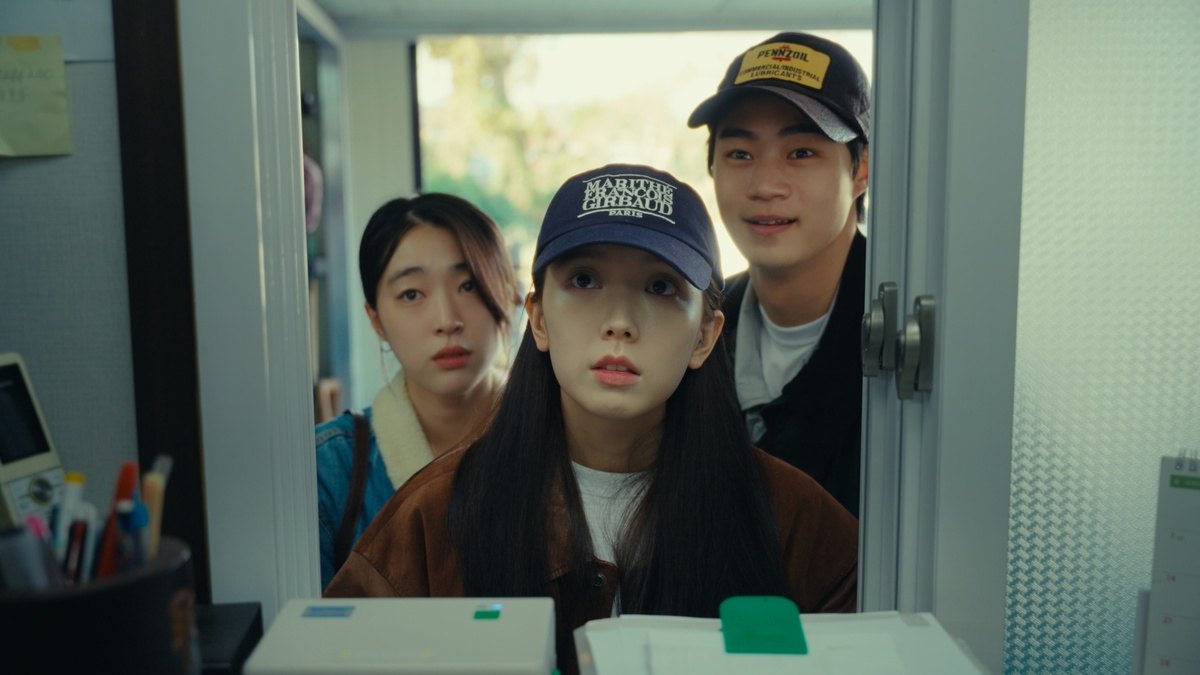
Czas się ogarnąć / Himeul nael sigan / Time to Be Strong
reż. Sun Namkoong
Korea Południowa 2024, 102’
[kino + online]
Troje młodych ludzi przybywa na piękną wyspę Jeju, miejsce popularne wśród koreańskich turystów. Wydają się zwyczajnymi dwudziestoparolatkami na wycieczce, ale mają za sobą nietypową przeszłość, z której niechętnie się zwierzają. Jeszcze niedawno byli częścią przemysłu k-popowego i marzyli o statusie wielkich gwiazd, dzisiaj zmagają się z traumą i nie wiedzą, co ze sobą począć. Wspólny czas z dala od wielkomiejskiego zgiełku i spotkania z okolicznymi mieszkańcami będą dla nich okazją do terapii i odnalezienia samych siebie. Czy potrafią skorzystać z tej szansy?
„Czas się ogarnąć” jest najlepszym argumentem na potwierdzenie tezy, że niskobudżetowe kino w Korei jest w znakomitej formie. Trudny i ważny temat toksyczności showbiznesu został przez reżyserkę potraktowany z dużym wyczuciem. Sun nie interesuje się tanią sensacyjnością. Skupiona na swoich kruchych bohaterach, pokazuje przez co przeszli, zastanawiając się nad tym, czy znajdą siłę, by powrócić do zdrowego życia. Film zdobył trzy nagrody na festiwalu w Jeonju (w tym Grand Prix) i są to wyróżnienia w pełni zasłużone.
Sekcję K-Youth objęło patronatem Centrum Kultury Koreańskiej w Polsce.
Sprzedaż karnetów kino+online i online na 19. Pięć Smaków rozpocznie się 9 września o godzinie 12:00.