


Poetics of Spirituality: How Does Cinema Slip Between (Other)worlds?
What is spirituality today? There is no clear-cut answer – which is perhaps precisely why cinema is so eager to explore it. For the 20th edition of Five Flavours, we turn our gaze to those spaces where everyday life slips beyond rational order. Yes, ‘Poetics of Spirituality’ is a section where ghosts will make an appearance, but above all it explores the elusive, the unnamed, and everything that resists being neatly boxed into a single belief system.
All the films from ‘Poetics of Spirituality’ section will be available online
We are not looking for religious doctrines or ready-made answers here. We are interested in the small miracles hidden in the ordinary: memories, encounters with other people, contact with nature, or working with one’s own body. Spirituality can manifest itself both in experiences we classify as spiritual and in moments when reality suddenly reveals something to us that we cannot quite name. Sometimes it simply comes down to a longing for there to be something more within us.
‘Poetics of Spirituality’ defies a single genre or cinematic vision. The section brings together a road movie, horror, black comedy, cult action cinema, and productions straddling the line between documentary, essay and fiction. We’ll also examine how spirituality can be interpreted through the language of cinema itself – editing, the rhythm of shots, frame composition and narrative structure.
We revisit Shinji Aoyama’s monumental Eureka, while Hirokazu Koreeda’s After Life guides us through a cinematic vision of the realm beyond. Polen Ly tells the story of a spirit haunting the ruins of a former cinema in Cambodia, while Huang Hsin-yao’s The Great Buddha+ turns a wickedly irreverent lens on spirituality in a world shaped by late-capitalist violence. The section will also feature Na Hong-jin’s The Wailing, an occult horror that navigates between various belief systems and raises questions about the nature of evil in the modern age.
From the afterlife to daily existence, from trauma to transcendence, from religious ritual to bold genre experimentation – ‘Poetics of Spirituality’ seeks out that which eludes rational experience yet remains intimately close to us. Perhaps cinema is one of those rare places where the unnamed becomes, if only for a brief moment, visible – if not tangible.
Read the curatorial text by Łukasz Mańkowski:
Curatorial text: What Is Spirituality?
Presented in partnership with PISMO magazine, ‘Poetics of Spirituality’ extends beyond the screen with panel discussions designed to further explore the section’s theme.

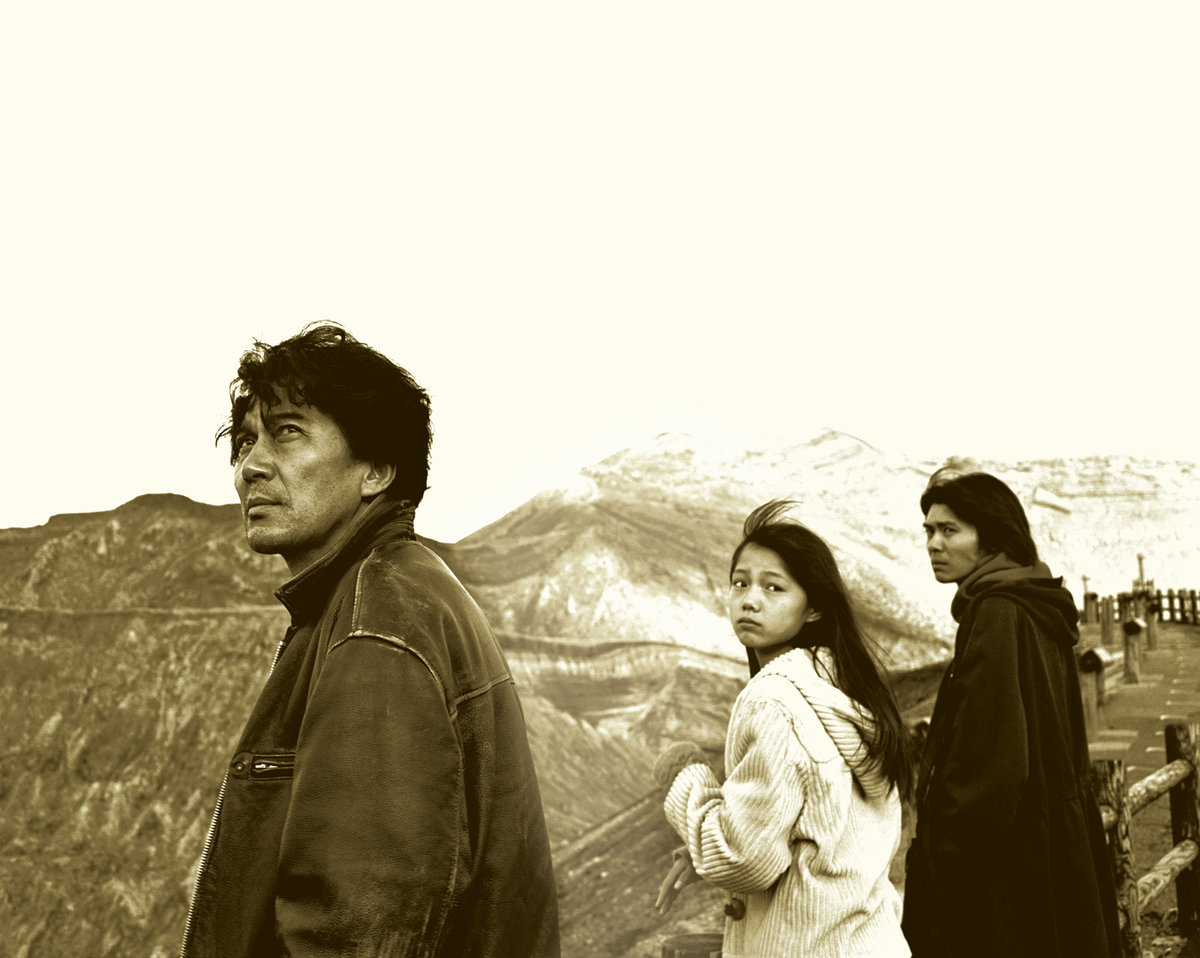
Eureka
dir. Shinji Aoyama, Japan 2000, 217’
[cinema + online]
Following a bloody attack on a city bus, the sole survivors – the driver and two young siblings, a girl and her older brother – form a unique bond. Unable to return to their former lives, they set off together into the depths of Kyushu, where their trauma can, for a moment, find its full expression. They embark on a journey in an attempt to regain a sense of agency, shed their guilt and come to terms with their grief. Eureka is a poignant meditation on memory and the harrowing path back to normality – a cinematic epic, built out of silence, about how to go on living when the past has become an unbearable weight. Once viewed as a spiritual compass for entering the new millennium, today it stands above all as a mesmerizing road movie about searching for the colours of life that faded with a sudden tragedy.
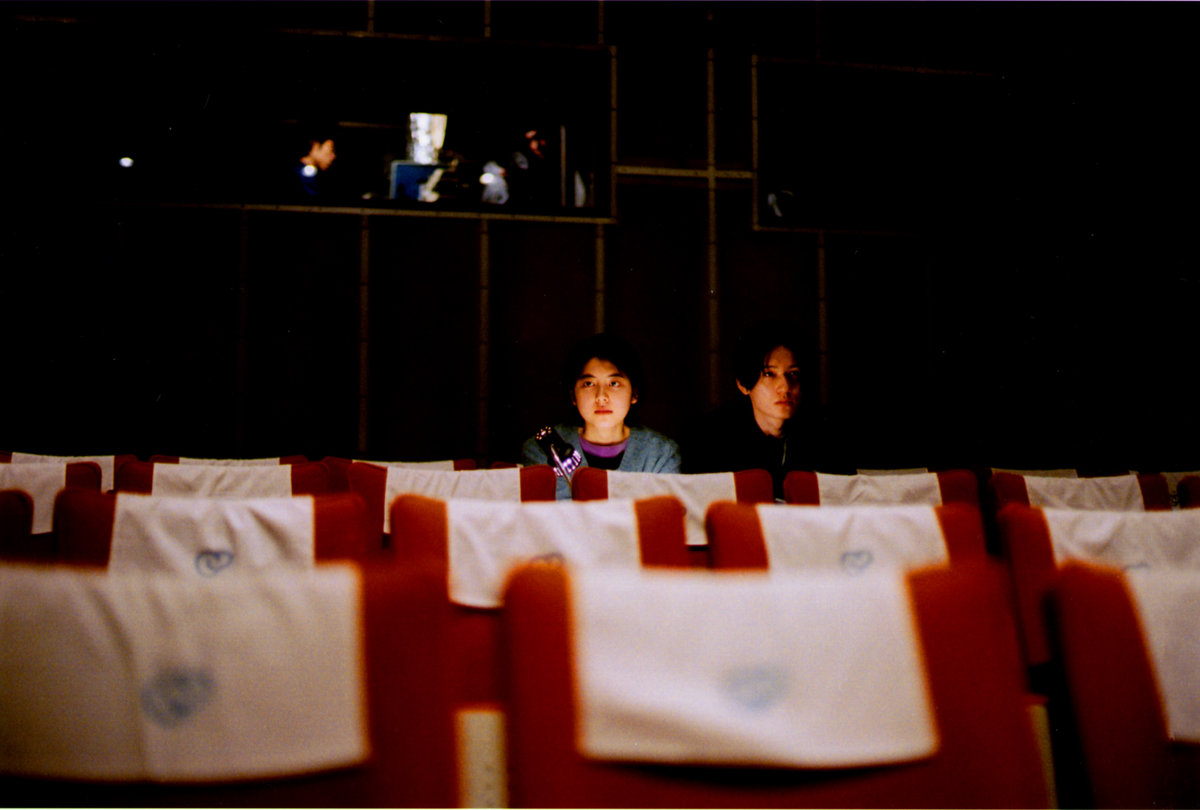
After Life
Wandafuru raifu
dir. Hirokazu Koreeda, Japan 1998, 119’
[cinema + online]
In one of Hirokazu Koreeda’s most tender and extraordinary works, the deceased arrive in a realm suspended between life and eternity. There, they meet guides who help them prepare for what lies ahead. Before moving on, however, each must choose a single cherished memory to be recreated as a film. Once screened, that memory becomes their sole remaining trace – and they vanish, taking the rest of their past with them. Koreeda crafts a vision of the afterlife free from religious dogma and deeply grounded in human experience. He is not concerned with what awaits us after death; instead, he asks what from our lives is truly worth carrying forward.
Dedicated to the memory of Jagoda Murczyńska, a longtime programmer and organiser of Five Flavours, who passed away in February 2022.
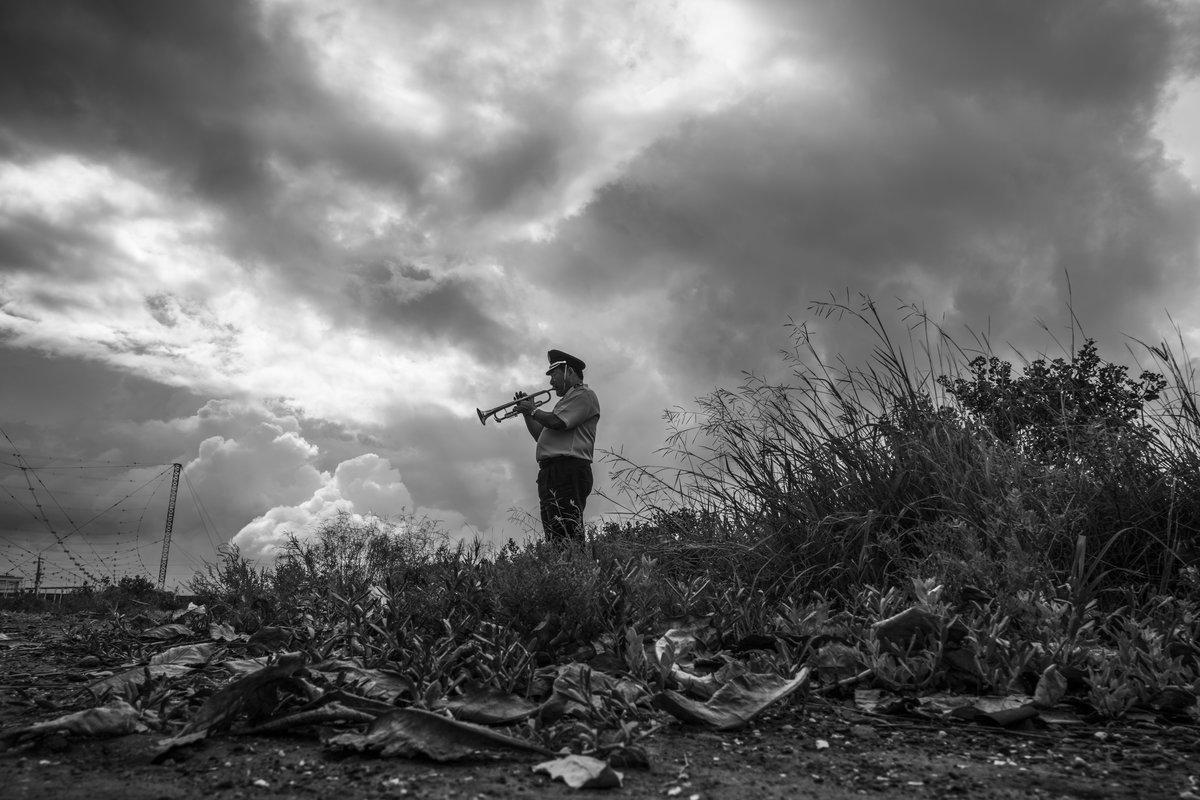
The Great Buddha+
Dàfó Pǔlāsī
dir. Huang Hsin-yao, Taiwan 2017, 102’
[cinema + online]
Radish works the night shift as a security guard at a factory manufacturing Buddha statues. His friend Belly Button spends his days collecting scrap for recycling. In the evenings, they huddle in the guard booth, eating junk food, flipping through porn magazines, and watching dashcam footage from Radish’s boss to kill time. One night, they stumble across something they were never meant to see – a discovery that alters their lives forever.
Previously unreleased in Poland, Huang Hsin-yao’s cult, unapologetic black comedy takes an irreverent look at spirituality and religion. The Great Buddha+ holds up a stark mirror to a world saturated with impunity and driven by the violent logic of late capitalism. Huang’s debut proved a surprise sensation, earning 11 nominations at the 2017 Golden Horse Awards and winning in five categories.
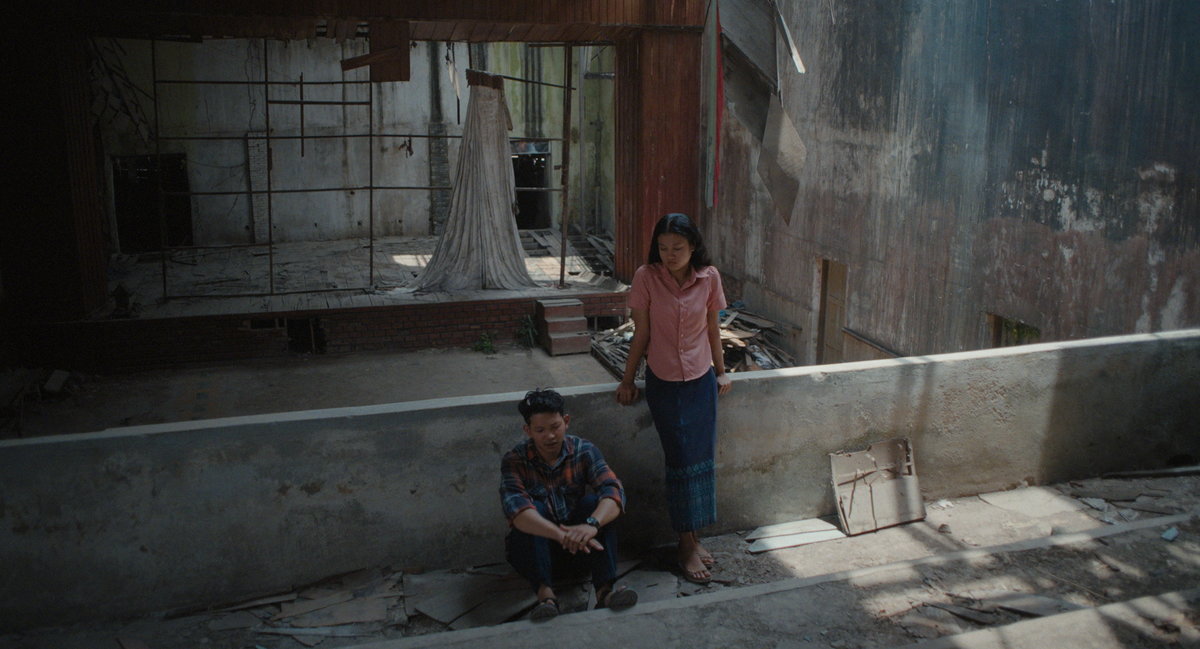
Becoming Human
Cheate chea mnoussaea
dir. Polen Ly, Cambodia 2025, 99’
[cinema + online]
The spirit of a place, embodied as a young woman, wanders through the ruins of an abandoned cinema in contemporary Cambodia, observing a world that is not always kind. Amid the remains of a venue that still echoes with its cinematic heyday, she recalls times gone by. Alongside a young journalist, she contemplates whether to return to the world of the living or, once the building is demolished, remain a wandering soul. This quiet, melancholic journey becomes a tender love letter to the golden age of Cambodian cinema, while also serving as a poignant plea to remember the tragedy that irrevocably cut short its history. The debut feature by Polen Ly, a member of the Anti-Archive collective, is Cambodia’s submission for this year’s Academy Awards.