

A retrospective of Hong Kong master Tsui Hark is the highlight of the 20th edition of Five Flavours! Festival passes are now on sale!
At last! After years of trying to make it happen, the Five Flavours programme will feature a retrospective of films by Tsui Hark, a visionary reformer and one of the most important filmmakers in global popular cinema! Get ready for a whirlwind of genres – from lavish wuxia to breakneck period comedy. Passes for screenings at Warsaw cinemas and online screenings are also on sale starting today!
Tsui Hark (pronounced ‘Choi Hok’ in Cantonese) was born in Vietnam, grew up in Hong Kong and studied in Texas, which gave him a broad familiarity with cinema from around the world. After a few years’ stint in Hong Kong television, he turned to cinema, emerging as part of the Hong Kong New Wave. After three films that failed to gain the recognition they deserved from audiences, his enthusiasm began to fade. However, wishing to focus on popular cinema, Tsui founded the Film Workshop studio and, over the next dozen or so years, became one of Hong Kong’s most important creative forces. He wrote, directed, produced and edited tirelessly. The films from his studio, produced quickly and usually on modest budgets, became hits in Hong Kong and across Asia, while VHS tapes also brought them to audiences on other continents. It was largely thanks to Tsui that Hong Kong became one of the most exciting centres of filmmaking in the world in the second half of the 1980s.
Tsui’s primary source of inspiration was China’s rich cultural heritage, which had been weakened in the Chinese-speaking world during the 20th century by political upheaval. In his subsequent films, he revitalised more or less neglected genres, giving them a new lustre. He was also always interested in pushing the boundaries of film technology. In action cinema, he sought innovative ways to stage spectacular fight scenes and shoot-outs, and to capture the human body in motion. He was one of the first filmmakers to combine elements of martial arts cinema with computer-generated effects, using technology he introduced from the United States. Equally important to him were strong female characters – he worked with most of the major stars of Chinese-language cinema, casting them as brave female warriors long before it became fashionable.
Tsui’s influence on Hong Kong and world cinema is immense. His rewriting of the grammar of Hong Kong cinema, which became a reference point for Hollywood in the 1990s, led to a stylistic revolution in global filmmaking. Today, virtually every blockbuster draws on ideas pioneered by Tsui.
The ‘Retrospective: Tsui Hark’ section comprises eight films from the most fascinating period of the director’s career. Although this is merely a small selection from his extensive filmography, it effectively captures the scale of his talent and the genre diversity that is the defining feature of Tsui’s cinema.
Passes for the 20th Five Flavours Asian Film Festival are now available!
The festival’s 20th anniversary edition will take place in a hybrid format:
- online, across Poland: 10 November – 6 December 2026
- in cinemas: 10–17 November 2026, Warsaw, Kino Muranów, Kinoteka, Kinomuzeum (MSN)
Two types of passes are available:
- Five Flavours Cinema+Online Pass – PLN 430 – gives access to all film screenings (except the official opening ceremony) during the festival in cinemas, as well as access to all films on the festival’s video platform. The programme will feature at least 50 feature-length films. The number of passes is limited.
- Five Flavours Online Pass – PLN 240 – gives access to all films on the festival’s video platform. At least 40 films from the festival programme will be available online. The number of online passes is unlimited, and they will remain on sale throughout the festival.
Buy the Pass
Here’s what you can see in the Tsui Hark retrospective at the 20th Five Flavours Festival:
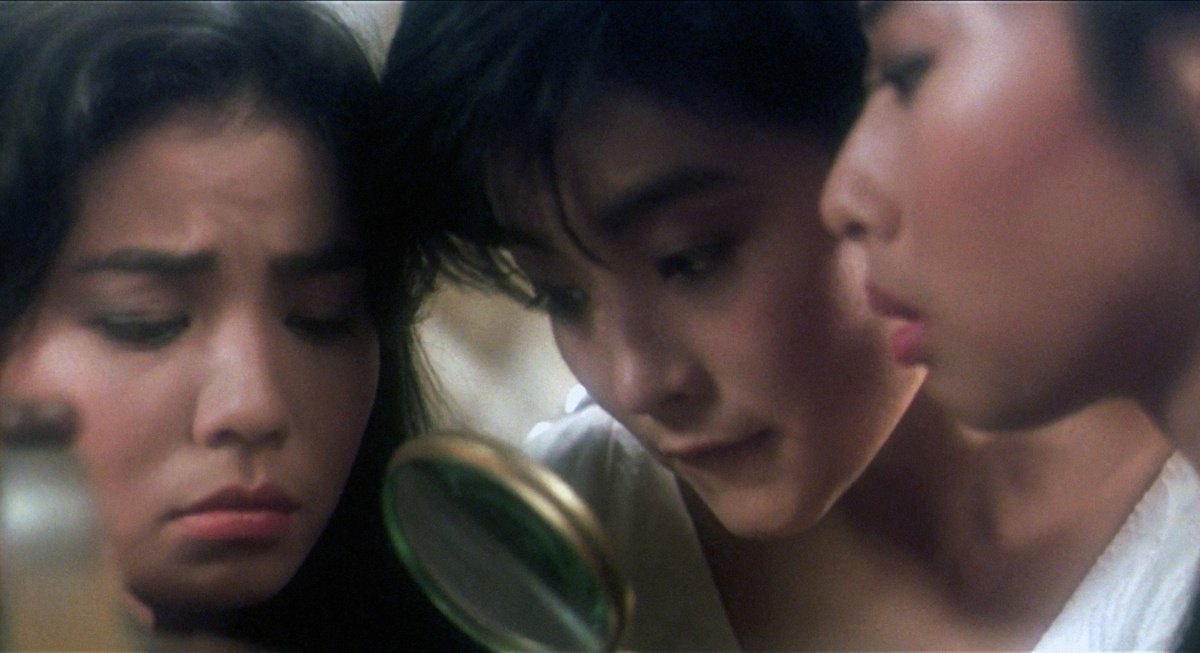
Peking Opera Blues / Do ma daan
dir. Tsui Hark, Hong Kong 1986, 104’
[cinema + online]
In 1913, China is in a state of chaos – its weak central government leaves corrupt warlords competing for influence. One night in Beijing engulfed in historical turmoil, the paths of three women cross. One is following a box containing valuables, another dreams of a career as an opera performer, and the third has a dangerous revolutionary mission to carry out. Will they manage to survive as bullets fly through the air?
Peking Opera Blues is a cinematic treat, a showcase of the director’s mastery of breakneck action and a blend of genres and tropes ranging from slapstick comedy and caper film to historical drama, ultimately becoming a grand tribute to Chinese opera. It also brings together three leading ladies of Hong Kong cinema – Cherie Chung, Sally Yeh and Brigitte Lin. For many, this film is Tsui Hark’s finest achievement.
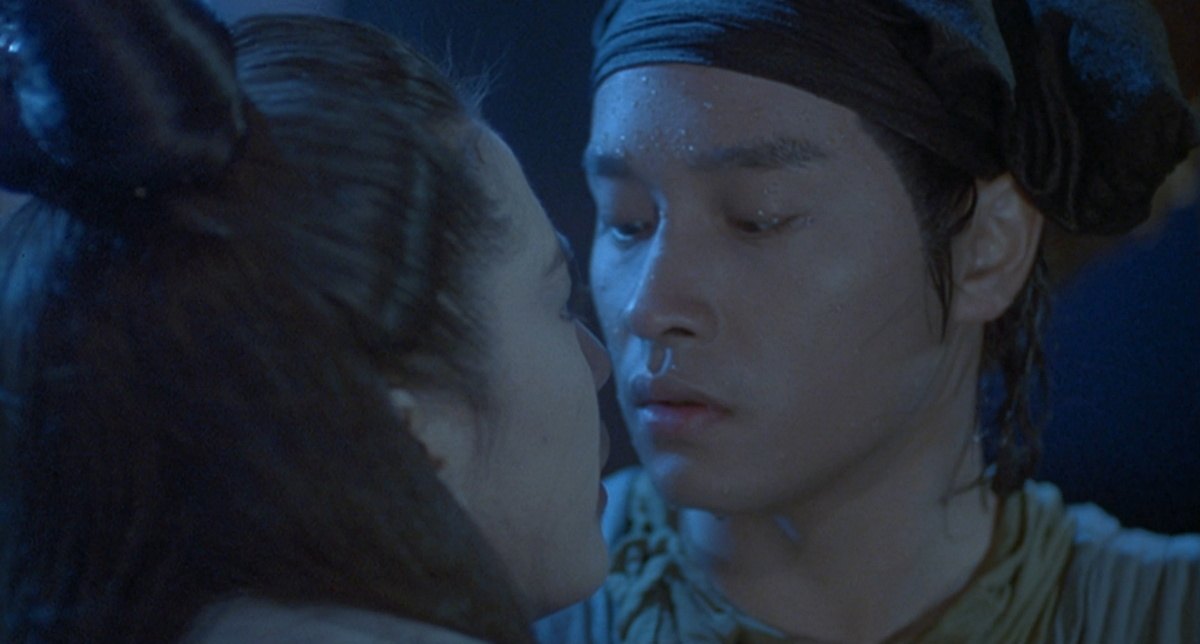
A Chinese Ghost Story / Sien lui yau wan
dir. Ching Siu-tung, Hong Kong 1987, 98’
[cinema + online]
The good-natured tax collector Ning sets off on a perilous journey to a provincial town to carry out his official duties. As his ledgers dissolve in the rain, he is forced to seek shelter in a forest temple with a sinister reputation. There he meets the beautiful and mysterious Nie, with whom he falls in love. Following his heart, however, may not be a good idea – the girl is a ghost enslaved by an ancient evil. Can she be saved?
The combination of classic literary motifs, Tsui’s imagination and influences from Sam Raimi’s The Evil Dead produced a magical and visually stunning result. Audiences were treated to a romantic story enhanced by elements of martial arts cinema and inventive special effects. The two leads are another major strength of the film – Leslie Cheung confirmed his status as a superstar, while the role proved to be a breakthrough for Joey Wang.
Due to the presence of ghosts, the film was banned in mainland China for many years. Circulating through bootleg copies, it became a cult classic for an entire generation of viewers.
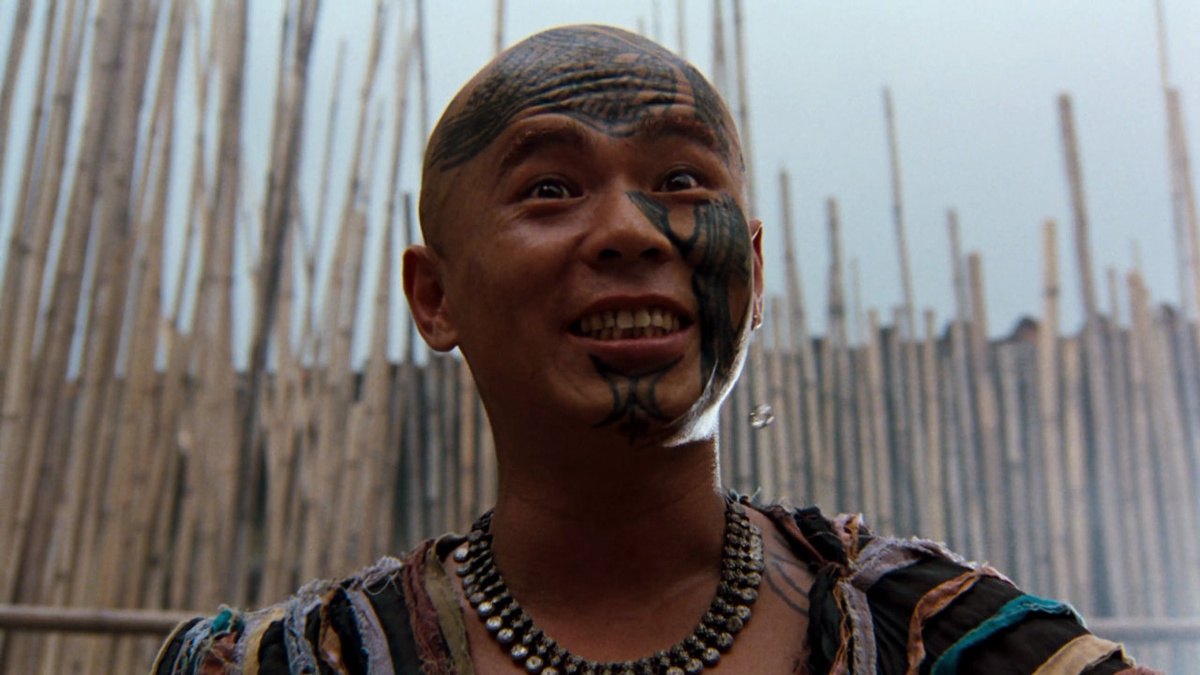
The Blade / Dao
dir. Tsui Hark, Hong Kong 1995, 105’
[cinema only]
Ding On is an orphan who works in a sword-making workshop. When he accidentally discovers the circumstances surrounding his father’s death, he sets out to track down the murderer – the ruthless Flying Dragon. This decision sets in motion a chain of events that will turn his entire world upside down.
The Blade is a lesser-known Tsui Hark masterpiece and a remake of Chang Cheh’s 1967 classic The One-Armed Swordsman. Tsui’s raw and nihilistic film, however, is a far cry from its stylised predecessor and radically redefines the noble conventions of the wuxia genre. The action, steeped in sweat, blood, and violence, was filmed with frenetic camera movements set to a fiercely pulsating soundtrack. It is a film attuned to the sensibilities of its era, one that cuts deep into the emotions of its audience two years before the handover of Hong Kong to China.
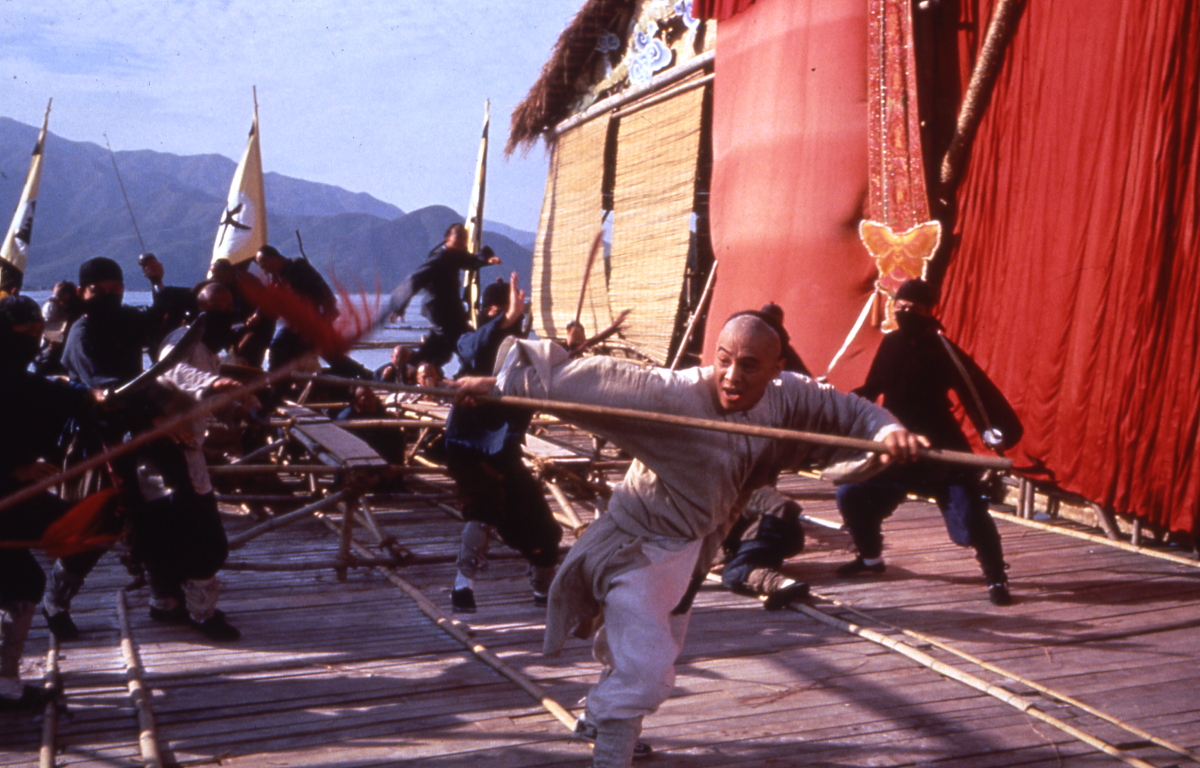
Once Upon a Time in China / Wong Fei Hung
dir. Tsui Hark, Hong Kong 1991, 134’
[cinema + online]
In the late 19th century, China is undergoing major changes under the influence of Western imperialism. Modernisation is rapidly displacing tradition, threatening local identity.
This worries Wong Fei-hung, a martial arts master who trains members of the local militia at his school in Foshan. The city is facing ever-greater problems – threats come from both local gangs and hostile foreigners whose aim is to exploit the country. Will kung fu be enough when guns are turned against them?
Tsui Hark returned to the historical figure of Wong to direct a film of epic scale about the values of Chinese nationalism. Once Upon a Time in China was a huge success and is now regarded as one of the most important films in the history of the genre.
The full festival programme will be announced on October 20!
We are presenting Hong Kong films at the 20th Five Flavours Asian Film Festival with the support of the Hong Kong Economic & Trade Office Berlin.