


Summer Vacation 1999
Press Play to start

 Polish premiere
Theatrical Screenings
Kinoteka 2
Kinoteka 1
Online Availability
Additional Materials

Film description
The late 1990s. In a remote boarding school cut off from the world, summer seems to last forever. The idyll is disrupted by the arrival of a boy who looks exactly like one of the students who has died. His appearance opens a fissure between waking and dreaming, memory and fantasy, as these begin to merge into one. Awaiting the end of summer, the students wander through the school’s empty corridors and the surrounding greenery. Immersed in the languor of the season, they experience their first infatuations.
Shūsuke Kaneko’s “Summer Vacation 1999” is a gothic dream of adolescence, a coming-of-age tale bathed in a retrofuturistic atmosphere reminiscent of Peter Weir’s “Picnic at Hanging Rock”. The all-female cast playing male students lends the story an androgynous tone, heightening the tension between gender and sexual identity. Kaneko captures the spiritual condition of the 1980s - a decade marked by uncertainty and suspension - through a suffocating, hypnotic vision of isolation and loneliness. In imagining the future, the director created one of the most singular portrayals of youth: a melancholic generational voice echoing the fears and desires confined within a hermetic, unreal world.
text:
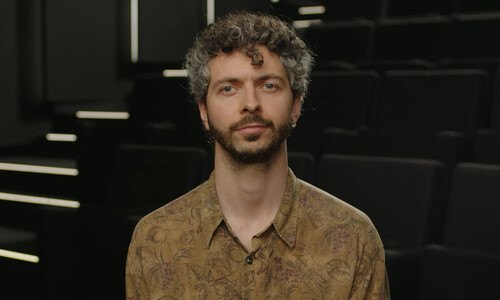
Łukasz Mańkowski
Shūsuke Kaneko
A Japanese director and screenwriter, born in 1955 in Tokyo. He began his career at the legendary Nikkatsu studio, where he gained experience as a writer for films and anime, as well as a director of pinku eiga productions — a space where many Japanese filmmakers tested their imagination and cinematic language. Kaneko soon moved into the mainstream, earning recognition as a creator with a unique sensitivity to both genre and emotion.
One of his most intriguing, though now somewhat forgotten, projects is "Summer Vacation 1999" (1988). True fame, however, came with his 1990s "Gamera" trilogy, in which he revitalized the classic kaijū series, infusing it with emotional depth and a realistic tone. He also directed popular live-action adaptations of the "Death Note" series.
1988 Wakacje 1999 / 1999-nen no Natsuyasumi / Summer Vacation 1999
1989 Dare o erabō ka / Who Do I Choose?
1990 Honkon paradaisu / Hong Kong Paradise
1994 Mainichi ga natsuyasumi / It’s a Summer Vacation Everyday
1995 Gamera: Daikaijū kūchū kessen / Gamera: Guardian of the Universe
1996 Gamera 2: Region shūrai / Gamera 2: Attack of Legion
1997 Gakkō no kaidan 3 / Haunted School 3
1999 Gamera 3: Iris kakusei / Gamera 3: Revenge of Iris
2000 Kasha / Pyrokinesis
2001 Gojira, Mosura, Kingu Gidora: Daikaijū sōkōgeki / Godzilla, Mothra and King Ghidorah: Giant Monsters All-Out Attack
2005 Azumi 2: Ai or shi / Azumi 2: Death or Love
2006 Desu Nōto / Death Note
2006 Desu Nōto: The Last Name / Death Note 2: The Last Name